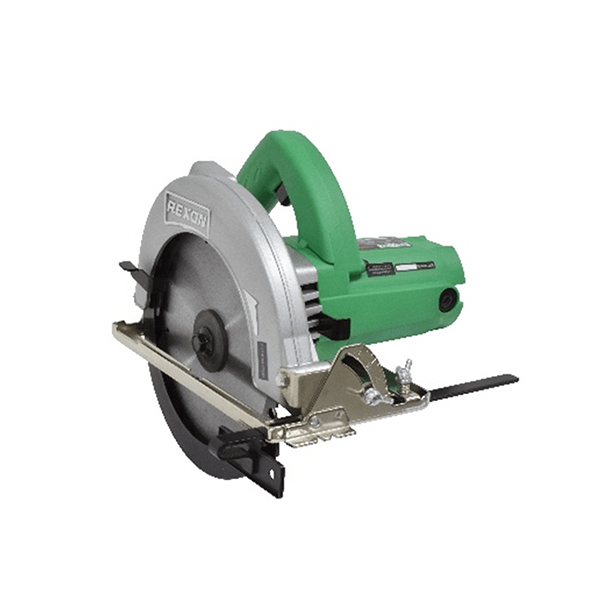
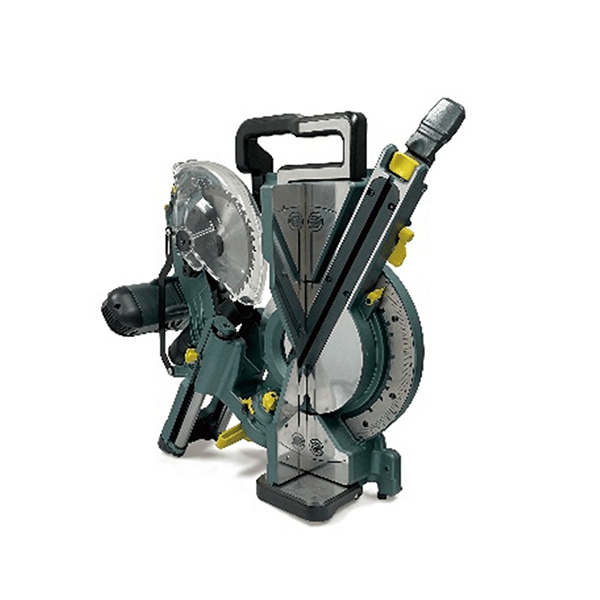
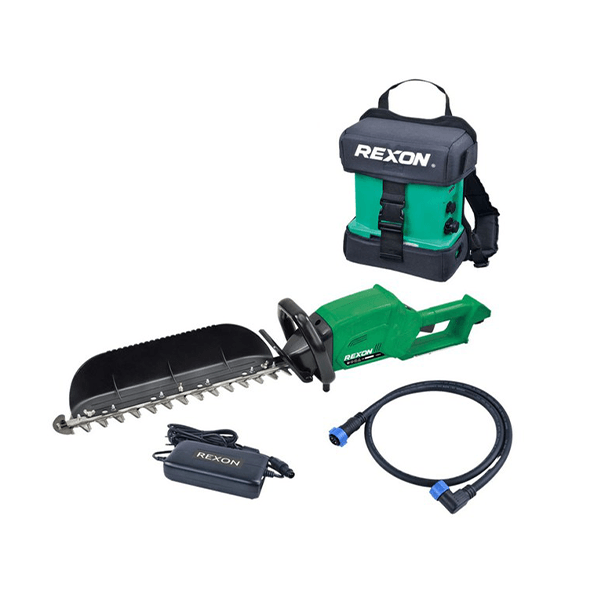
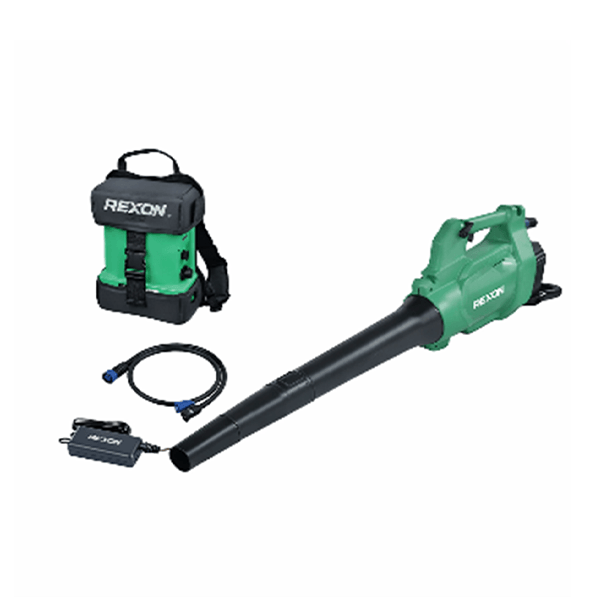
With its Taiwan headquarters serving as the R&D center, Rexon Industrial integrates manufacturing resources in China and market-oriented feedback from its U.S. subsidiary (P.T.S), and is committed to developing high-quality products that meet the needs of global customers and consumers. The Company also continues to invest in value analysis and value engineering (VA/VE) for product development and design optimization. In line with the international deployment launched in 2025, the Company is gradually strengthening supply chain resilience through new production bases in Thailand and Vietnam, thereby enhancing its competitiveness in the global market.
Power Tools
Benchtop Tools
Handheld Tools
Accessories
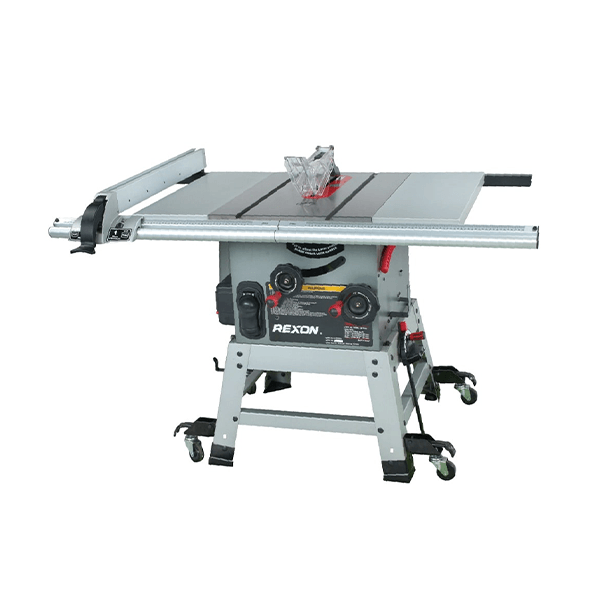
Table saw
Circular saw
Miter Saw
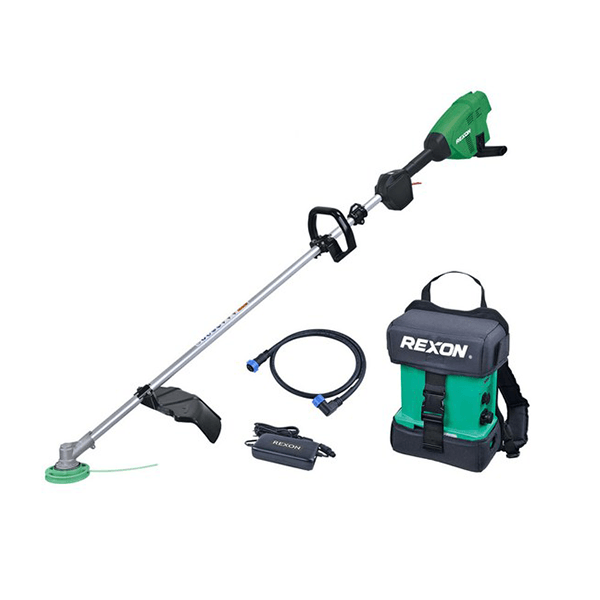
OUTDOOR POWER EQUIPMENT
Stands
Fitness Equipment
Cardio
Strength Training
Treadmills
Ellipticals
Upright Bikes
Weight Stack Training Equipment
Spin bikes
Stair Climbers
Recumbent Bikes
Free Weight Equipment
New Businesses
Customized Motors and Controllers
Drone Power Systems
Radios
Two-Way Radios
POWERTOOLSBUSINESS
Power Tools Business _
The power tools business is mainly structured around benchtop tools, handheld tools, and accessories. Its product foundation covers woodworking cutting and jobsite applications, and further extends to outdoor use scenarios such as garden tools. As a major manufacturer of benchtop power tools in Asia, Rexon continues to develop toward high-added-value, high-quality, and diversified applications. In terms of production locations and market deployment, the Company has provided customers with more diversified supply chain options through the commencement of production at new production bases since 2025, thereby diversifying geopolitical risks. In terms of product technologies, the Company has gradually introduced high-efficiency brushless motors and modular designs to enhance performance, reduce noise, and take into account low carbon emissions and ease of use.
FITNESSEQUIPMENTBUSINESS
Fitness Equipment Business _
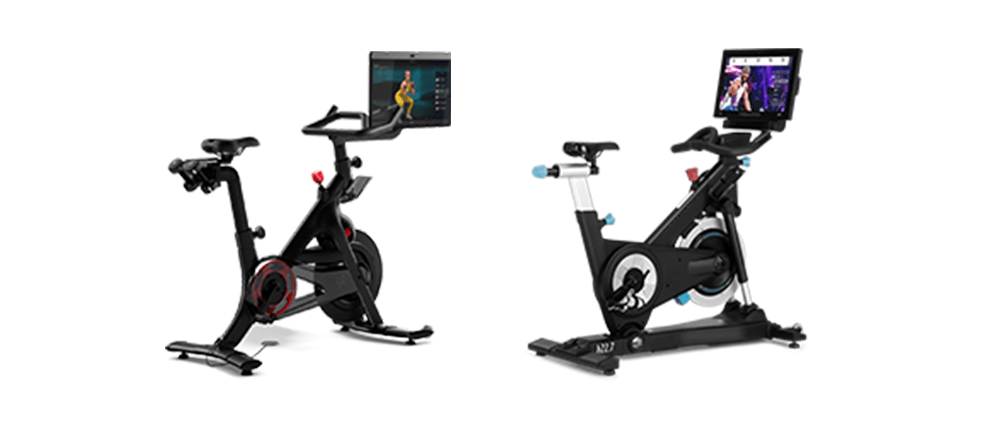
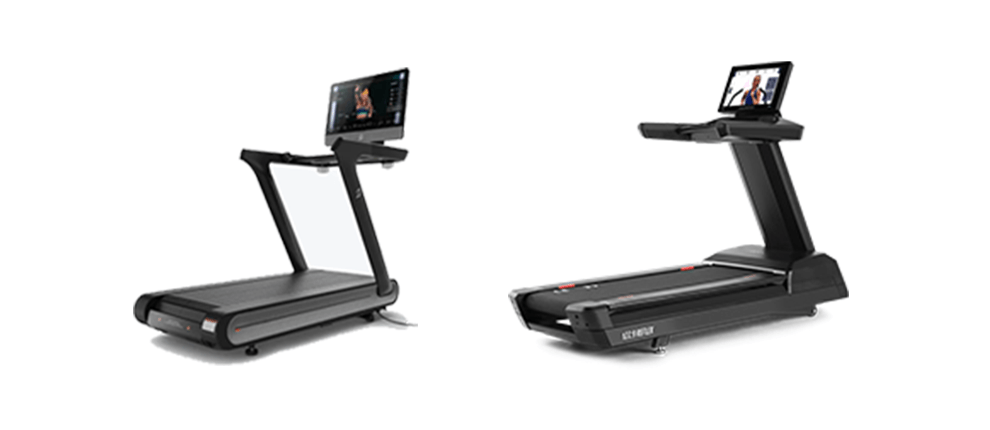
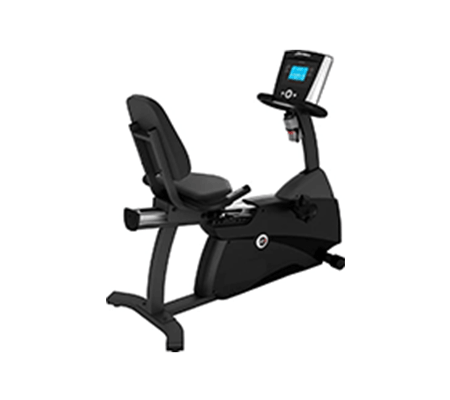
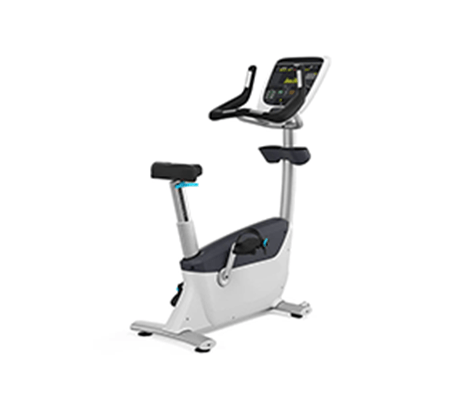
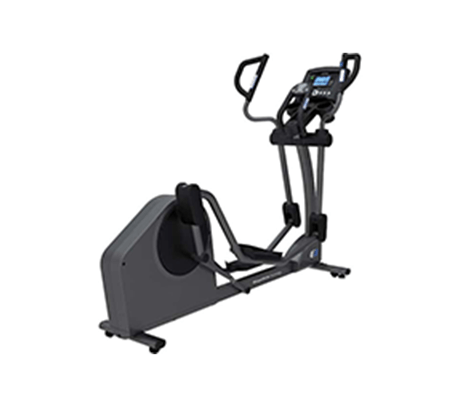
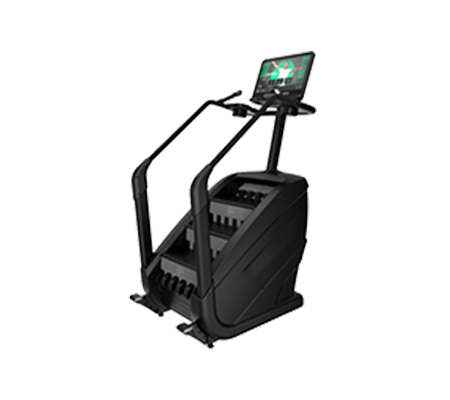
The fitness equipment business is divided into two major categories based on usage type: cardio and strength training. Cardio products include treadmills, spin bikes, ellipticals, and various types of exercise bikes, while strength training products include weight stack training equipment and free weight equipment. The overall product line meets the needs of home, commercial, and professional training markets.
Rexon is an important supply partner of major global fitness brands. With demand from gyms, sports centers, and corporate wellness recovering, the Company continued to strengthen its deployment in the commercial equipment market in 2025. In response to customers’ needs for a non-China supply chain and flexible manufacturing, the Company is also establishing a more resilient supply system through new production bases in Thailand and Vietnam. In addition, Rexon continues to introduce VA/VE to simplify structures, optimize materials, and integrate functions for existing models. Digitalized strength training equipment is also regarded as a core development direction with future growth potential.
Spin Bike
Tread Mill
Recumbent Bike
Upright Bike
Elliptical
Stepmill
weight stack training equipment and free weight equipment
NEWBUSINESS
New Businesses _
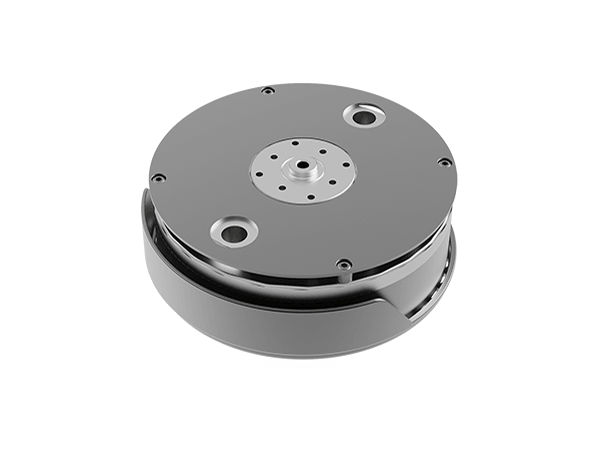
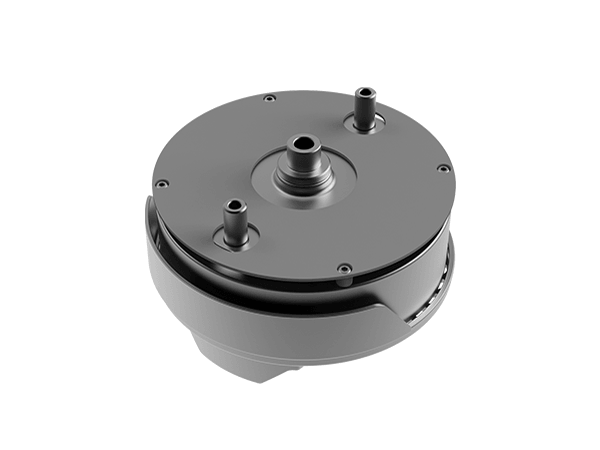
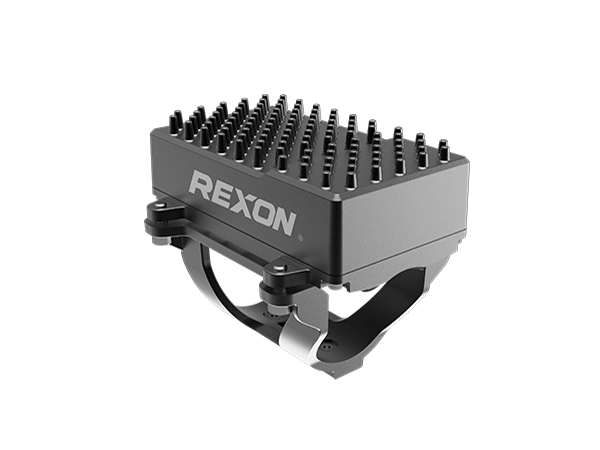
The new businesses currently focus on two major directions: customized motors and controllers, and drone power systems, representing Rexon’s further expansion from traditional end products into key modules and power cores. These products integrate mechanical, electronic control, and drive technologies, helping enhance the Company’s competitiveness in markets with high technical barriers and high added value while also providing a foundation for technological integration and cross-disciplinary extension of existing product lines.
10012
10018
ES1000RX
RADIOTRANSCEIVER
Radio Busines _
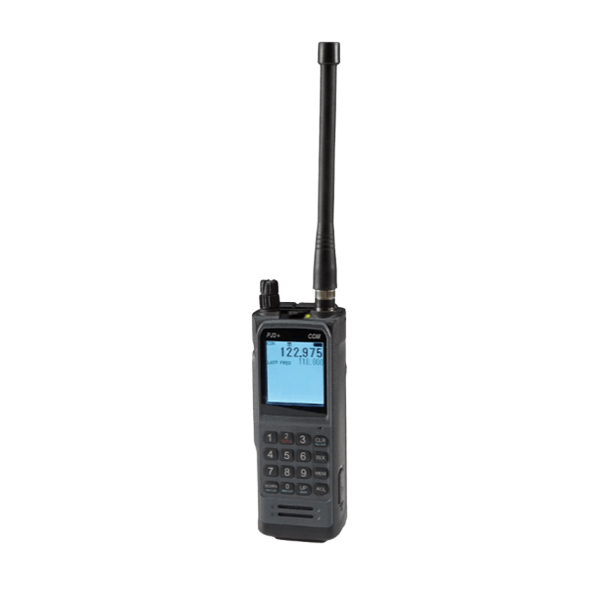
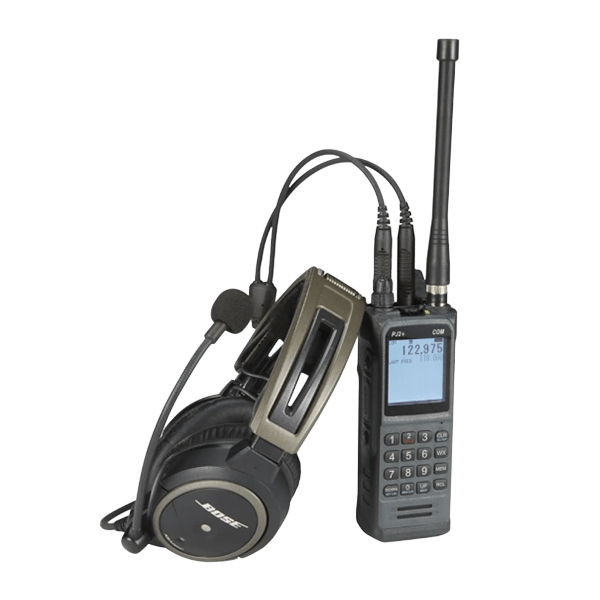
The radio business currently focuses on two-way radios. Product development centers on highly reliable communications, low environmental impact, and long-term maintainability, with a commitment to creating professional communications equipment that meets high safety standards. As communications equipment must operate over the long term in high-noise, high-electromagnetic-interference, and harsh environments, product stability and service life are essential. Therefore, the Company introduces life-cycle design thinking at the early stage of development, with comprehensive planning covering material selection, power efficiency, structural modularization, and back-end maintenance and upgrade mechanisms to balance product value with sustainable development needs.
R & DMANUFACTURING
Research and Development / Manufacturing (Material Topic) _
Innovation and Expansion in Green Energy and Smart Technology
The Company continues to promote dual-track transformation in products and processes with high efficiency, low energy consumption, and high reliability as its core values.** In terms of product technology, the Company uses BLDC as its core power technology to promote the transition from fuel-powered to electric products and the upgrade of traditional motors, while expanding applications to power tools, gardening equipment, automation equipment, smart home products, and micro electric vehicles. In terms of process technology, the Company has introduced 3D laser cutting processes to replace certain traditional post-processing methods after tube bending, thereby improving processing flexibility, precision, and process efficiency. In terms of mass production management, the Company has introduced servo presses and counting-type torque screwdrivers on demonstration production lines to strengthen equipment-based and data-based management of the assembly of key components, improve process stability and assembly consistency, and reduce human variation and potential quality risks.
Material Topics
Research and Development (R&D) and innovation
Description of positive benefits
Actual positive: The dual focus on technology and sustainability innovation strengthens intellectual assets and brand value.
Description of negative benefits
Potential negative: Stagnation in innovation may result in a decline in market share and operating revenue.
Management mechanisms / measures
When actual negative impact on innovation and research and development occurs, Rexon follows the risk and opportunity management regulations and the responsible manager launches the routine abnormality management for the ordinary risks that exceed the monitoring level. When a significant risk Note occurs, the risk management team holds a meeting to develop solutions.
Note: Material risks include serious occupational accidents, incidents that impact the Company’s operations, events that cause significant damage to the Company’s image, and abnormal situations that cannot be handled by the top executives of the respective functional organization.
Complaint / communication channels
Internal improvement proposal system:Employees can submit questions or suggestions related to innovative R&D through the Company’s internal improvement proposal system. This system not only provides a convenient channel for issue reporting but also facilitates timely problem-solving and fosters a deeper culture of innovation.
Innovation Collaboration Circle (ICC):Innovation Collaboration Circle (ICC) activities are held every year to invite employees to participate in discussion and implementation of innovative proposals. Through this platform, employees can directly participate in the development and implementation of innovation ideas, thereby strengthening horizontal collaboration, boosting innovation capability, and fostering a fully participatory R&D culture.
2025 Action Plan / Implementation Results
Action Plan
Establish a low-carbon database: 24 planned items.
2. Number of approved green innovation proposals: 24 cases per year.
Use recycled and reused materials: Introduce injection molding recycled pelletizing equipment to increase the reuse ratio of process waste materials.
Implementation results
Establishment of the low-carbon database: 24 items.
Number of approved green innovation proposals: 24 cases per year.
Annual purchase of plastic raw materials: 116,625 kg Amount of recycled materials used: 11,675 kg Recycled material ratio: Approximately 10.0% Maximum recycled content per item: 15% to 20%
2025 Target Achievement Status
Goals
Implementation results based on the 2025 action plans
Establishment of the low-carbon database: 24 items
Number of approved green innovation proposals: 24 cases per year
Increase the use ratio of recycled materials: Introduce 15% to 20% recycled materials based on product characteristics.
Achievement status
Goals achieved :
24 items were established in the low-carbon database, of which 10 items were identified as usable low-carbon items.
Number of approved green innovation proposals: 24 cases per year
Recycled material application achieved: Annual usage reached 11,675 kg. Overall usage ratio was approximately 10% Application capability of up to 15% to 20% has been established (depending on component conditions)
Short / Medium / Long-term Goals
Short-term Goals(2026-2027)
Propose innovative products based on different customer needs: 12 cases per year.
dentify 1 new industry product with development potential each quarter and convert it into a development project.
Medium-term and Long-term Goals (2028~2032)
Introduce low-carbon materials into mass-production models and achieve the revenue target for sustainable products.
Continuously promote green energy products, develop cross-industry collaborations. Implement thorough supply chain management to ensure zero defects in quality.
Power Technology Upgrade: Expansion of Diverse BLDC Applications
With BLDC as its core power technology, the Company promotes the transition from fuel-powered to electric products and the upgrade of traditional motors, while expanding applications to power tools, gardening equipment, automation equipment, smart home products, and micro electric vehicles, thereby establishing product growth momentum based on high efficiency, low energy consumption, and high reliability.
Process Technology Upgrade: Introduction of 3D Laser Cutting
In 2025, Rexon introduced 3D laser cutting equipment, marking a dual advancement in precision processing technology and resource efficiency management:
Seamless integration of design and manufacturing: Through direct integration of 3D drawings from the R&D end into the cutting system, complex structural prototyping can be completed with precision, significantly shortening the transition cycle from prototyping to mass production.
Maximization of material utilization: Through precise simulation technology to optimize sheet layout, the utilization rate of steel sheets is improved, effectively reducing the generation of scrap materials and implementing the sustainability goal of waste reduction at the source.
3D Laser Cutting Equipment Assembly
Robotic Arm Laser Cutting Machine
Comparison of Processes Before and After the Introduction of 3D Laser Cutting
Mass Production Management Upgrade: Demonstration Line Equipment and Quality Control
To improve manufacturing quality and reliability in product life cycle management, the Company introduced servo presses and counting-type torque screwdrivers on demonstration production lines for the assembly of key components. Through equipment-based and data-based management, the Company improves process stability and assembly consistency, reduces human variation and potential quality risks, and strengthens controllability in mass production.
Commercialization of new industry products: Maintain the pace of “converting one new industry product into a development project each quarter” to provide customers with excellent technical support for the transition from fuel-powered to electric products.
Intellectual Property Management:
The Company uses WIPS Global patent search and the EPS enterprise patent management system to ensure that every technological innovation receives legal protection.
Patent portfolio: As of 2025, the Company had accumulated 109 valid domestic and foreign patents, with major filing jurisdictions such as Taiwan (R&D location), China (production base), and the United States (major market).
Expansion into the New Drone Business:
In 2025, the global drone market rapidly shifted from consumer entertainment to high-end commercial applications. As BVLOS regulations are gradually relaxed, logistics and transportation, automated inspection, precision agriculture, and emergency rescue have become the main growth drivers. The core market demand has shifted from short-duration flight to industrial-grade standards featuring “long endurance × high payload × high reliability,” with emphasis on heat dissipation capabilities and protection ratings under complex climatic conditions. The focus of competition has returned to hardware performance and system safety. Power systems must improve energy conversion efficiency while ensuring long-term stable operation and flight control integration capabilities to reduce commercial operating costs and improve mission success rates.
Against this industry transformation backdrop, Rexon focuses on the integrated development of high-efficiency BLDC motors and self-developed ESCs. The Company has completed multiple complete power system solutions and achieved deep system-level integration of motors and ESCs. The products strengthen high-load stability, control precision, and energy conversion efficiency, and have been successfully sampled and shipped to Taiwan, the United States, Japan, and Europe for applications in logistics, agricultural spraying, and environmental monitoring scenarios. Through real-machine verification by international customers and trial production control, the Company has established a foundation of reliability and testing data, officially moving from the technology R&D stage toward becoming a power system supplier with international supply capabilities, and laying the foundation for subsequent scaled mass production and diverse electrification applications.
Energy Efficiency Improvement of Two-Way Radios:
For two-way radios, Rexon Technology improves product energy efficiency by incorporating energy efficiency into product design, developing low-power hardware equipment, extending battery life, and reducing energy consumption during use. The Company applies energy-saving technologies, such as smart power management, standby mode optimization, and advanced processing technologies, to reduce energy consumption when equipment is operating or idle. The Company also designs long-life products and places sustainable design at the core of product development, manufacturing products with higher durability to reduce replacement frequency, thereby reducing resource and energy use.
PJ2 GPS Aviation Two-Way Radio: The product adopts a low-power GPS module and an optimized power management architecture. While maintaining real-time and clear voice transmission quality, it effectively reduces energy consumption, improves stability during long-duration operation, reduces equipment heat loss, and extends the service life of electronic components.
PRODUCTDESIGNANDLIFECYCLE MANAGEMENT
Product Design and Lifecycle Management _
Rexon Industrial embeds sustainability thinking throughout the entire product life cycle. From source management in the early R&D stage and material conservation during production to energy efficiency improvement at the product use stage and packaging waste reduction at the end stage, the Company is committed to reducing environmental impacts at every stage. Through data-based management, the Company implements its environmental sustainability goals and has continued to study the application of low-carbon materials and circular design in 2025.
Sustainable Product Evaluation Indicator System
In 2025, the Company established a product evaluation mechanism centered on seven major sustainability indicators as the institutional basis for sustainable product design and introduction management. Each indicator is assigned a relative weight based on its importance to environmental impact, usage risks, and the product life cycle to ensure consistency and comparability in the evaluation. The evaluation indicators cover seven major dimensions: carbon footprint reduction, user safety, recycling and circularity, energy-saving performance, life extension, ease of repair and modularity, and environmental friendliness.
Sustainable Product Evaluation Indicator System
Recycling and circularity
Energy-saving performance
Life extension
Ease of repair and modularity
User safety
Environmental friendliness
Carbon footprint reduction
Low-Carbon Materials Database: From Data Development to Mass Production Application
To strengthen the decision-making basis for low-carbon product design, the Company continues to build a low-carbon materials database and systematically introduces material data into the R&D, business, and supply chain collaboration processes.
Proactive engagement and technical proposals: The R&D and supply chain teams regularly compile low-carbon materials information in the database and proactively propose application recommendations to global OEM / ODM customers (such as recycled aluminum materials and recycled plastic parts), helping customers respond to carbon tax and regulatory trends.
Material trial and verification process: Functional testing and reliability verification are conducted for low-carbon materials with potential to ensure that they meet the product design requirements in terms of strength, service life, and user safety.
Mass production feasibility assessment: As of 2025, the low-carbon materials database had accumulated 24 material data entries. Through carbon footprint and material property data, the database supports customers in material selection and mass production decision-making, ensuring that low-carbon design can be stably introduced into actual production.
Progress of introduction cases: Taking low-carbon ABS substitute materials as an example, the emission factor can be reduced from 3.26 kgCO₂e/kg to 1.23 kgCO₂e/kg, representing a carbon reduction of approximately 62%. The Company has submitted an introduction application to customers and continues to track the review and approval progress.
Green Innovation Proposals of the Green Innovation Committee
The Green Innovation Committee is the Company’s cross-departmental strategic decision-making platform, led by the Executive Vice President and jointly reviewed by relevant departments. The committee aims for the generation of 24 innovation proposals each year. All proposals must meet at least one sustainable product evaluation indicator, including carbon footprint reduction, user safety, recycling and circularity, energy-saving performance, life extension, modularity and ease of repair, and environmental friendliness. Proposals are submitted by the marketing, sales, and R&D units, and are evaluated and selected through regular meetings to ensure that they are specifically translated into feasible product designs and technical solutions, thereby enhancing product competitiveness and sustainability value.
Use of Recycled Input Materials
To implement the circular economy, Rexon’s plastic injection molding department is equipped with equipment for re-pelletizing recycled runners and sprues, allowing waste materials generated from the process to be reintroduced into production.
Increase in recycled content: Depending on component characteristics, the Company can use up to 15% to 20% recycled materials.
2025 results: In 2025, the Company purchased 116,625 kg of plastic raw materials, of which recycled materials used reached 11,675 kg, achieving the goal of full utilization of raw materials.
Supply Chain Packaging Material Waste Reduction Strategy
Rexon works with supplier partners to promote waste reduction plans. Through the R-Team platform and lean production thinking, the Company intervenes in management starting from the packaging design stage:
Highlight action for eliminating Styrofoam: In 2025, Rexon proactively proposed sustainable design to customers and successfully reached a consensus with Europe’s largest power tool brand customer to optimize packaging for battery-powered benchtop table saws, completely removing the original Styrofoam packaging materials.
Bare-part supply and circular reuse: In cooperation with the R-Team supply chain, the Company promotes “bare-part supply” to reduce single-use packaging materials. At the same time, a dedicated carton recycling area has been established in the material delivery area, and blister packaging circular reuse has been promoted to replace single-use plastic bags, taking both environmental protection and labor-hour reduction into account.
Reducing Product Energy Requirements
Rexon Industrial regards BLDC (brushless DC motor) technology as a key core for improving product energy efficiency. Through independent R&D, the operating efficiency of BLDC motors can reach more than 85%. Compared with the efficiency of approximately 70% of traditional DC motors, BLDC motors can use energy more effectively and reduce unnecessary energy waste.
Key BLDC Energy-Efficiency Considerations and Drone Mission Phases
Key BLDC Energy-Efficiency Considerations
Energy Consumption Characteristics
High-Efficiency Power Output
Takeoff and Hover: High thrust demand
Reduced Climb Time
Climb: Sustained high power demand
Extended Flight Time
Cruise Operations: Highest cumulative energy consumption
Precise Rotational Speed Control
Return Flight and Descent: Reduced power demand
Rapid Response
Landing: Brief hovering
Energy-saving application in power tools :
Rexon has successfully introduced high-efficiency BLDC motors and driver technologies into core models such as drill presses. Through precise speed control and high conversion efficiency, these products deliver excellent operating performance while reducing electricity burden at the user end.
Schematic Diagram of Drill Press
High-efficiency design of drone power systems:
The Company focuses on developing high-efficiency small BLDC motors and self-developed electronic speed controllers (ESCs), which are applied to logistics and agricultural drones. By optimizing power efficiency and energy conversion rate, the system can maintain stability under high loads and reduce heat loss, significantly improving drone endurance and overall energy-saving performance.
Product Carbon Footprint Management
Rexon adopts a data-based decision-making approach and selects models for inventory based on principles such as “customer requirements, major products, and market representativeness.” Rexon Industrial continues to expand the scope of its greenhouse gas inventory. In 2025, the Company expects to select 27 key core models (covering treadmills, spin bikes, stone cutters, etc.) for Category 3 and Category 4 emission calculations. Compared with 12 models in 2024, this demonstrates the Company’s deeper commitment to data management.
Product Life Cycle and Continuous Improvement
At each stage of the product life cycle, the Company applies reducing energy requirements as the core principle :
Design and manufacturing stage: Optimize the BLDC and shared battery platform designs to reduce the parts and materials required per unit of output power.
Use stage: Reduce hourly electricity consumption and direct on-site emissions through high-efficiency drive systems and smart control.
Repair and replacement stage: Extend the service life of motors and complete products to reduce replacement frequency and the energy required for spare parts.
Recycling stage: Gradually increase the recycling and reuse ratios of batteries and metal parts.
Use
Encourage users to choose products equipped with high-efficiency BLDC motors to reduce energy consumption.
Maintenance
Implement maintenance strategies to extend product service life and reduce energy waste.
Recycling
Implement recycling programs to recover and reuse materials and to reduce environmental impact.
Design
Prioritize high-efficiency BLDC motor design to reduce energy consumption.
Manufacturing
Adopt energy-efficient processes in BLDC motor manufacturing to minimize energy waste.
Transportation
Optimize transportation routes to reduce energy consumption.
Use
Maintenance
Recycling
Design
Manufacturing
Transportation
PATENT FIELDAND DISTRIBUTION
Patent Fields and Distribution _
Rexon Industrial recognizes that innovation is the driving force behind business growth, and patents are crucial to its research and development endeavors. The company firmly believes that the fruits of collaborative efforts between internal employees and customers should be protected by intellectual property rights. These patents safeguard the valuable innovations created through joint development.
USA
USA /
Taiwan
Taiwan /
China
China /
Scroll
51
Number of Patents in Taiwan
16
Number of Patents in China
36
Number of Patents in the United States
6
Number of Patents in other countries
( EU:2, PCT:2, Mexico:1, Thailand:1)
Number of Patents
We have accumulated 650 patents, out of which 109 are currently active and applicable to our products. We continue to increase the number of active patents each year. Additionally, we have implemented the EPS patent management system to protect and develop our intellectual property rights, enabling us to provide unique products and services to our customers.
Patent Count Statistics – Patent Classification
Type
Number
Fitness Equipment
39
Power Tools
61
Outdoor Power Equipment
1
E-mobility
5
Powertrain
3
Total
109
Taiwan 47%
China 15%
The United States 33%
Other countries 5%
Percentage of National Patent Counts
Electric Tools 56%
Fitness Equipment 36%
Outdoor Power Equipment 1%
E-mobility 4%
Powertrain 3%
Percentage of Patent Classifications
Note: Data updated as of February 2026
Supply Chain Collaboration (Material Topic)
Material Topics
Sustainable Supply Chain Management
Description of positive benefits
Actual positive: Promote mutually beneficial development across the supply chain, reduce operating costs, and improve efficiency by reducing waste and optimizing resource use. Accordingly, a sustainable supply chain helps strengthen cost competitiveness and overall operating efficiency, thereby enhancing corporate resilience, risk management, and response capabilities, effectively reducing operational risks and responding to external impacts.
Description of negative benefits
Potential negative: During the initial stage of promoting a sustainable supply chain, suppliers generally have insufficient awareness of and investment in sustainable operations. However, if the supply chain lacks sustainability management, it may lead to poor operations, environmental violations, labor disputes, or regulatory non-compliance, affecting corporate image and delivery stability, and further causing risks of order loss and operational disruption.
Management mechanisms / measures
Establish supplier SRA self-assessment and audit mechanisms.
Conduct awareness promotion and education and training through large-scale supplier meetings, encourage suppliers to participate in learning initiatives, and enhance suppliers’ sustainability awareness.
Provide appropriate assistance to suppliers that are willing to invest in sustainability management but lack relevant experience or do not know how to begin, such as sharing developments in global sustainability standards and examples of industry sustainability actions, referring them to counseling units, or providing Rexon’s successful experience and practical results as references for introducing sustainability systems.
Responsible unit:. Rexon Industrial: Procurement Division Rexon Technology: Materials Department
Rexon Industrial 2025 Action Plan Implementation Results
Action Plan
The Company held its annual supplier conference along with a sustainability initiative meeting, where three material topics, including "Global Sustainable Development Trend," "Sustainable Development Progress of Rexon," and "Sustainable Initiative Communication," were presented to promote and advocate ESG concept among suppliers.
Continued to promote a lean production system across the supply chain through two R-Team lean sharing meetings, with the aim of improving efficiency, reducing waste, and achieving energy conservation and carbon reduction goals.
Used the “Supplier Social Responsibility” self-assessment to guide suppliers in paying attention to sustainability-related issues and to work hand in hand with suppliers on the path toward sustainable operations.
Implementation results
The annual supplier conference and sustainability initiative meeting was held on December 17, with a total of 79 suppliers responding and participating. Active discussions and interactions were conducted with supplier partners during the meeting.
Two R-Team lean sharing meetings were held at the supplier conference on June 24 and December 17, respectively.
A total of 181 suppliers completed the “Supplier Social Responsibility” self-assessment.
2025 Target Achievement Status
Goals
Rexon Industrial: Suppliers accounting for 100% of the total annual transaction amount are required to complete the “Supplier Code of Conduct.” Rexon Technology: Suppliers accounting for 60% of the total procurement amount in 2025 are required to sign the “Supplier Code of Conduct.
Rexon Industrial: Suppliers accounting for 85% of the total transaction amount are required to complete the “Supplier Social Responsibility Self-Assessment.” Rexon Technology: Suppliers accounting for 60% of the total procurement amount in 2025 are required to complete the “Social Responsibility Self-Assessment Form.”
Rexon Industrial: ESG-related evaluation items were added to new supplier audits, with a passing score of 45 points or above.
Rexon Industrial: The number of suppliers conducting greenhouse gas inventories is to increase by 30% each year.
Achievement status
Goals achieved :
Rexon Industrial: Suppliers accounting for 91% of the transaction amount completed the signing of the “Supplier Code of Conduct,” with an achievement rate of 91%. Rexon Technology: Suppliers accounting for 60% of the procurement amount were required to sign the “Supplier Code of Conduct.” A total of 23 suppliers completed the signing, with an achievement rate of 88%.
Rexon Industrial: Suppliers accounting for 85% of the procurement amount totaled 99 suppliers, of which 74 completed the “Social Responsibility Self-Assessment Form,” with an achievement rate of 75%. In addition, 107 suppliers outside the 85% procurement amount scope also completed the signing, bringing the total number of suppliers that completed the “Social Responsibility Self-Assessment Form” to 181. Rexon Technology: Suppliers accounting for 60% of the procurement amount completed the “Social Responsibility Self-Assessment Form,” totaling 23 suppliers, with an achievement rate of 88%.
Rexon Industrial: In 2025, 20 new suppliers were added, and all ESG-related evaluation scores reached the required standard of 45 points or above, with an achievement rate of 100%.
Rexon Industrial: In 2024, 10 suppliers had conducted greenhouse gas inventories. In 2025, 3 suppliers were newly added (30%), bringing the total number of suppliers conducting greenhouse gas inventories to 13, with an implementation rate of 100%.
Short/Medium/Long-term Goals
Short-term Goals(2026-2027)
suppliers accounting for 90% of the total procurement amount in 2026 are required to complete the “Social Responsibility Self-Assessment Form,” and suppliers accounting for 95% of the procurement amount in 2027 are required to complete the self-assessment. Rexon Technology: Suppliers accounting for 85% of the total procurement amount in 2026 are required to complete the “Social Responsibility Self-Assessment Form,” and suppliers accounting for 100% of the procurement amount in 2027 are required to complete the self-assessment.
Supplier self-assessment and audit:In 2025, Rexon established supplier self-assessment and audit mechanisms to implement value chain transparency. A total of 181 suppliers responded to the self-assessment questionnaire, representing a 100% response rate and covering 71% of the total procurement amount.
In 2026, ESG-related evaluation items will be added to new supplier audits, with a passing score of 50 points or above. In 2027, the passing score will be raised to 60 points. Rexon Technology: In 2027, ESG-related evaluation items will be added to new supplier audits, with a passing score of 50 points or above.
The number of suppliers conducting greenhouse gas inventories will increase by 30% each year. Rexon Technology: The number of suppliers conducting greenhouse gas inventories will increase by 10% each year.
Medium-term and Long-term Goals(2028~2032))
30% of suppliers completing the “Supplier Social Responsibility Self-Assessment” shall undergo audits and improvement tracking. Rexon Technology: 30% of suppliers completing the “Supplier Social Responsibility Self-Assessment” shall undergo audits and improvement tracking.
ESG-related evaluation items added to new supplier audits must reach a passing score of 60 points or above. Rexon Technology: ESG-related evaluation items must reach a score of 60 points.
The number of suppliers conducting greenhouse gas inventories will increase by 30% each year.
Selection of New Suppliers
In 2025, the Company actively expanded its green supply chain by incorporating sustainability dimensions into the core indicators for new supplier development, thereby driving transformation across the overall value chain.
Doubling of development scale: In 2025, 20 new suppliers were successfully added, demonstrating the Company’s active deployment in green procurement.
Through indicator-based management: the Company promotes both qualitative and quantitative improvements in resilience by driving in-depth transformation among its supply chain partners.
From 2024 to 2025, all performance indicators achieved 100% of their targets, reflecting a broad improvement in partners’ ESG awareness and implementation capabilities.
Indicator Item
2024 Actual
2025 Target
2025 Actual
Target Growth Rate / Status
Indicator Item
Number of new suppliers
2024 Actual
10 suppliers
2025 Target
13 suppliers
2025 Actual
13 suppliers
Target Growth Rate / Status
+100%
Indicator Item
Target Score for Sustainability Aspects
2024 Actual
40
2025 Target
45
2025 Actual
45
Target Growth Rate / Status
Steady growth
More than 30% of new suppliers are required to achieve a score of 45 or above
Supplier Code of Conduct
From 2023 to 2025, the number of Rexon Industrial suppliers that signed the "Supplier Code of Conduct" increased significantly from 62 to 164. The actual achievement rate based on transaction amount reached 72%, which was below the expected target of 100%. However, the overall trend remained on a steady growth trajectory. The remaining 28% is expected to be completed in 2026, achieving 100% coverage by transaction amount.
Supplier Social Responsibility / Low-Carbon and Smart Upgrade Transformation of the Manufacturing Sector through the “Leading Large Enterprises Driving Smaller Enterprises” Model
The “Sustainable Supply Chain Upgrade and Transformation Plan for the Fitness Equipment System” promotes the low-carbon and smart transformation of the overall industry chain through the “Leading Large Enterprises Driving Smaller Enterprises” model. With subsidy support from the Ministry of Economic Affairs, the project brought together ten suppliers to engage in in-depth collaboration on process equipment upgrades, the implementation of energy management systems, and ESG sustainability strategies. Through the establishment of green value streams and digital monitoring, the project successfully delivered significant energy-saving and carbon-reduction results. In addition to quantifiable benefits, cross-enterprise technical exchanges and the development of a green culture further enhanced the green competitiveness of Taiwan’s fitness equipment industry in the international market. The project also serves as a benchmark for traditional manufacturers in Taiwan pursuing net-zero emissions and smart transformation. Overall, through this project, Rexon Industrial facilitated the shift of its supply chain system from isolated improvements to collective upgrading. The project successfully established a scalable model of “Leading Smaller Enterprises and Co-Creating Sustainability,” significantly strengthening the resilience and sustainable competitiveness of the overall supply chain.
In addition, Rexon Technology, a subsidiary of Rexon Industrial, also participated in the parent company’s low-carbon and smart upgrade transformation project for the manufacturing sector under the “Leading Large Enterprises Driving Smaller Enterprises” model. Rexon provided guidance to a total of ten suppliers. In 2025, the project achieved actual electricity savings of 19,797.95 kWh, equivalent to approximately NTD 78,000.715 in electricity cost savings.
The project execution results were verified and approved through an on-site review by the Industrial Development Administration. The results are as follows:
Replacement of new process equipment achieved
low-carbon reductions of
41.13tCO2e/yr
Upgrade of existing process equipment achieved
low-carbon reductions of
60.43tCO2e/yr
Implementation of new plant systems achieved
low-carbon reductions of
74.87tCO2e/yr
Upgrade of existing plant systems achieved
low-carbon reductions of
181.82tCO2e/yr
In total, the project is expected to deliver
annual carbon reduction benefits of
358.25tCO2e
Flowchart for the Low-Carbon and Smart Upgrade Transformation Project
System Diffusion Framework Diagram
The core planning of the project is structured around the “1 + 10 System Diffusion Deployment Diagram:”
Central coordination
The central plant leads the project and is responsible for strategy formulation and resource integration.
Process collaboration
Guide five major partner plants in implementing core process improvements.
Industry diffusion
Simultaneously guide five diffusion plants in implementing low-carbon practices.
Division of responsibilities and objectives
The work is divided into three levels: central coordination, process collaboration, and industry diffusion, ensuring that the overall supply chain is upgraded in a synchronized manner.
Green Value Stream (GVS) and Needs Analysis Diagrams
At the implementation level, the project integrates the “Green Value Stream Survey Diagram for Customer Product Series” with the “Low-Carbon Needs Analysis Diagram” of each plant.
Waste identification : Through the GVS survey diagram, the process from components to finished product assembly is visualized, enabling the identification of the “Seven Green Wastes” (such as materials, water, energy, transportation, and waste).
Hotspot identification : The needs analysis diagram (analyzed by the central plant and each supply chain plant) integrates electricity inventory data with production process equipment to identify carbon reduction bottlenecks and energy consumption hotspots (such as plastic injection molding, welding, and stamping processes).
Carbon Reduction Roadmap
The analysis results are then translated into a concrete “Carbon Reduction Roadmap,” with short-, medium-, and long-term targets:
Short-term plan
(3 years)
Focuses on “low-hanging fruit,” such as time control for plastic drying machines, enhanced management of electric water dispensers, and the establishment of energy management systems for air-conditioning/compressed air systems.
Medium-term plan
(5 years)
Introduces operational module improvements (such as BI business intelligence implementation), air-conditioning system optimization, and other measures.
Long-term plan
(more than 5 years)
Implements large-scale equipment replacement (such as IE3/IE5 high-efficiency motors), rooftop solar photovoltaic systems (energy generation), and a comprehensive electricity information system.
Integrated Outcomes of Planning and Benefits
Through the integrated planning based on the above diagrams, the project generated specific quantifiable benefits:
Environmental benefits
The average energy-saving rate reached 8.58%
Carbon reductions in the project completion year reached 1,449.725 tCO2e
Economic benefits
reduce electricity costs
The system is expected to reduce electricity costs by approximatelyNTD 3.1166 million per year.
Production efficiency
increased by more than 5%
Through process optimization (such as GVS improvement methods), the overall system utilization rate
In summary, this project was not simply an equipment procurement initiative. Instead, it established the framework through the system diffusion diagram, diagnosed issues through the GVS survey diagram, precisely identified priorities through the needs analysis diagram, and guided implementation through the carbon reduction roadmap, thereby achieving concrete results in the sustainable transformation of the system.
Supplier Conference R-Team
In 2025, Rexon held two supplier conferences. The events covered four key dimensions: lean efficiency, ESG governance, quality management, and supply chain strategy, strengthening multi-tier supplier management, reinforcing supply chain resilience, and demonstrating how the Company leads its supply chain through transformation.
Lean
Presented the results of lean management and introduced the spirit of “waste elimination” and “continuous improvement” into the supply chain. Presented R-Team improvement results and quantified the benefits of transformation.
Environment
Extended the concept of sustainable operations to supply chain partners and promoted standardized management of environmental and social responsibility. Launched Scope 1 & Scope 2 inventories, with 100% of the procurement amounts complying with the Code of Conduct.
Governance
Enhanced the transparency of second-tier suppliers, implemented 8D abnormality management, introduced the QMS system, and implemented the three-stage inspection procedures of first-piece, in-process, and final inspection to ensure that all stages of production processes comply with stringent standards.
Integration
Released the supply chain upgrade vision and achieved a win-win outcome of cost reduction and efficiency enhancement through resource integration. Through the supply chain upgrade plan, Rexon strengthened its competitiveness in green procurement.
6/24 – Group photo with suppliers
6/24 – Supplier lean sharing session
Supplier sustainability initiatives
QMS system
12/17 – Group photo with suppliers
12/17 – Supplier lean sharing session
Lean sharing
Q&A session
Supplier Self-Assessment and Audit
The Company has established a rigorous supplier sustainability management mechanism. In 2025, the Company launched ESG self-assessments for all suppliers to conduct preliminary screening of environmental and human rights risks. The Procurement Department conducts internal supplier audits and on-site visits to ensure the authenticity of data and track improvements for identified deficiencies. Through a dual-track mechanism of “self-assessment first, followed by audit,” the Company strengthens transparency across the value chain and promotes local co-prosperity.
Self-Assessment Stage:
In 2025, the Company fully promoted supplier ESG self-assessments. The questionnaire was designed based on environmental, social, and governance criteria, covering aspects such as carbon emissions, human rights protection, and occupational safety. A total of 181 questionnaires were distributed and 181 were collected, representing a response rate of 100%. The responding suppliers accounted for 71% of the total procurement amount. During the year, 181 suppliers completed self-assessments, covering four major aspects: corporate governance, employee rights, occupational safety, and environmental protection. The assessment results showed that 97% of suppliers achieved a rating of “Good” or above (75 points or above), while only 3% of suppliers received lower scores (below 75 points). Based on the ESG self-assessment results, the Company implemented “risk-based tiered management” (as detailed in the table below) and incorporated the results into procurement evaluation references. The Company will continue to encourage partners to implement ethical management practices and environmental commitments, ensuring the stability and sustainability of the supply chain.
Excellent
81%
Good
16%
Qualified but with risks
3%
Non-compliant
0%
Score Range:
Score Range
Rating Definition
Number of Suppliers
Management Measures
Score Range
90–100 points
Rating Definition
Excellent(Class A)
Number of Suppliers
146
Management Measures
Listed as excellent suppliers and given priority for procurement allocation and cooperation opportunities.
Score Range
75–89 points
Rating Definition
Good(Class B)
Number of Suppliers
29
Management Measures
Written recommendations are provided for weaker areas while maintaining the existing procurement relationship.
Score Range
60–74 points
Rating Definition
Qualified but with risks(Class C)
Number of Suppliers
5
Management Measures
Included on the priority watch list, with the Procurement Department conducting risk engagement and guidance, and tracking the progress of deficiency improvements.
Score Range
60 points or below
Rating Definition
Non-compliant(Class D)
Number of Suppliers
1
Management Measures
New orders are suspended until the supplier passes the Company’s re-assessment, after which new order business dealings may resume. Replacement may be evaluated where necessary.
Audit Stage:
Based on the self-assessment results, the Procurement Division conducts risk-based tiering and carries out five on-site audits for high-risk suppliers, including document reviews, on-site visits, and employee interviews, to verify the authenticity of self-assessment information and record identified deficiencies.
Improvement Stage:
For deficiencies identified during audits, suppliers are required to complete improvements within a prescribed timeframe, and an improvement tracking mechanism is established.
Product Quality and Responsibility (Material Topic)
Rexon Industrial has established and continues to maintain the effective operation of its ISO 9001 quality management system. The Company conducts comprehensive quality management in accordance with its quality manual and standard operating procedures (SOPs), and has established a clear quality policy centered on “providing high-quality and highly reliable products that meet customer needs.” The Company regularly convenes quality review meetings and cross-functional improvement meetings. Through data-driven management, the Company establishes key quality performance indicators (KPIs), such as incoming defect rates, cost of poor quality, and the number of customer complaints. Department heads regularly review implementation results and continue to drive quality improvements.
Material Topics
Product health and safety
Description of positive benefits
Actual positive:
Promoting product health and safety enables the Company to demonstrate its environmental, social, and governance (ESG) efforts to the public. This not only strengthens corporate trust but also helps attract more customers and investors.
It also enhances employee engagement and satisfaction. When employees recognize that the Company places importance on their health and safety, they are more motivated to engage in their work, helping improve productivity and reduce turnover.
By complying with health and safety standards, the Company can reduce the risk of accidents, thereby lowering potential legal liabilities and financial losses.
Description of negative benefits
Potential negative:
Health risks: Products may pose direct threats to consumer health. For example:
Hazardous chemicals: Certain products may contain carcinogens or other hazardous chemicals, which may have long-term impacts on consumer health during use.
Product defects: Defects in product design or manufacturing may result in user injuries. This not only affects consumer health but may also give rise to legal proceedings and compensation liabilities.
Regulatory compliance risks: Failure to comply with the applicable regulations may expose the Company to legal and financial risks.
Management mechanisms/measures
Rexon’s management mechanisms for ensuring product health and safety are as follows:
Risk assessment and management: If quality issues arise during production, they are classified by severity into minor, general, and serious issues. Rigorous SOPs have been established for each category, with corresponding rapid response measures based on the level of severity. Customer complaint handling is also classified by severity, including rework, returns, and market recalls. This enables the Company to define risks and establish a rapid quality response mechanism while providing timely responses to customers.
Compliance with regulatory requirements: Before mass production, all product components must pass RoHS testing for hazardous substances before they may be used in production. Before finished products are shipped, they must also obtain safety certifications in compliance with the local regulations, supporting environmental protection while providing consumers with safety assurance.
Employee training and awareness enhancement: Through quality competition incentives, quality awareness case studies are incorporated into evaluation criteria using One Point Lesson (OPL) training. Each month, the production teams and personnel with the highest quality evaluation scores are publicly recognized, ensuring that the concept of quality is not merely a slogan but is truly embedded in employees’ mindset.
Establish a comprehensive product safety management mechanism, covering product safety design review, material safety control, outgoing safety testing, regulatory compliance management, and issue traceability and continuous improvement mechanisms.
Compile and analyze suppliers’ quality scores on a monthly basis, and establish supplier quality evaluation data. Suppliers rated Class D in any given month are required to submit PDCA improvement reports and are subject to quality audits conducted by SQE.
Implementation results
All new product models introduced into mass production completed international safety regulatory compliance and material safety controls.
In 2025, after the supplier evaluation mechanism was established, a total of seven suppliers were rated Class D. Following guidance and support, all seven suppliers improved their quality performance and passed the evaluation.
2025 Target Achievement Status
Goals
In 2025, there were zero cases of customer health or safety incidents resulting from our products.
Customer complaint cases related to the safety of the Group’s top 10 products were less than 3.
Achievement status
In 2025, there were no reported incidents of customer health or safety incidents resulting from our products.
There were 0 customer complaint cases related to the safety of the Group’s top 10 products.
Short/Medium/Long-term Goals
Short-term Goals (2026-2027)
There were 0 customer complaint cases related to the safety of the Group’s products.
Regarding the timely handling of major customer complaints, a risk report, including countermeasures, is submitted within 24 hours.
0 3R incidents related to shipment quality.
Medium-term and Long-term Goals 2028~2032)
Quality improvement through source management: A supplier grading system and management mechanism have been established to select suppliers of appropriate grades based on product positioning.
Further improve product safety management processes, obtain international safety certifications for major products, and strengthen product traceability and safety monitoring.
Building on the foundation of maintaining zero 3R incidents related to shipment quality, continue to deepen quality risk prevention and governance mechanisms.
Source Quality Management
Incoming material and supplier quality management:
Establishment of the QMS supplier management system: Suppliers are managed by tier, and key component suppliers are strictly required to implement self-management.
Implementation of first-piece, in-process, and final inspection: This ensures that raw materials and components provided by suppliers comply with the Company’s quality standards, reducing quality risks at the source.
Process quality management:
Establishment of autonomous inspection on production lines.
Introduction of poka-yoke fixtures at key inspection stations: This prevents defective products from flowing to subsequent processes due to operational errors.
OPL (One Point Lesson): When a quality issue occurs, a quality abnormality record is established. Quality standards and concepts are then communicated to operators through One Point Lesson (OPL) training. In 2025, a total of 134 OPL quality awareness sessions were completed, embedding quality awareness in every Rexon employee and making it part of the Company’s DNA.
Customer complaint handling process: Rexon places great importance on the voices of customers and consumers, and it has established a comprehensive customer complaint handling process. Upon receiving a customer complaint, the Company first collects 5W2H information based on the severity level and completes a customer complaint handling form for investigation by the Quality Assurance Department. A project is then established to explain the possible causes and propose measures to prevent recurrence, enabling the Company to respond to the customer within 24 hours with preliminary findings and immediate containment measures. The case is closed after obtaining the customer’s confirmation. Rexon handles customer complaints based on the principle of satisfying customers with high-quality and efficient service.
Source management
Incoming quality (suppliers)
Supplier tiered management + self-management
Unified critical-to-quality (CTQ) and defect classification
First-piece → in process → final inspection
Built-in process quality(workstations)
Self-inspection → mutual inspection → specialized onspection frame work
Key station release + Poka-Yoke
OPL:OK/NG standards /abnormality records
Custoner comp;aint improvement(Customer)
Customer complaint grading
8D/SCAR standardization
Project-based managment of key issues (cross-departmental)
Customer Feedback Quality Abnormality
Collect complete information using the 5W2H method
Convene the relevant departments to establish a project team for investigation
Respond to the customer within 24 hours with preliminary findings and immediate containment measures
Implementation of Corresponding Measures Customer Confirmation and Case Closure Ongoing Follow-up
Product Hazardous Substance Management
To continuously strengthen supply chain management and regulatory tracking, Rexon Industrial upholds its commitment to product quality and environmental protection. The Company continues to collaborate with suppliers to ensure product safety and compliance, reduce environmental risks, protect consumer health, and promote environmental sustainability. In accordance with international environmental regulations such as REACH and RoHS, Rexon Industrial has established a hazardous substance management mechanism. Suppliers are required to provide REACH and RoHS testing reports or declarations of conformity. Through R&D review and incoming inspections by the Quality Assurance Department, the Company ensures that products comply with regulatory requirements before they enter mass production. Through continuous improvement and rigorous controls, Rexon Industrial is committed to becoming an industry leader in hazardous substance management.
The results of these efforts are reflected in product manuals, where the “Table of Restricted Substances in Products” is disclosed (as shown in the figure). The table clearly lists the hazardous substances that may be present in products and the applicable usage standards, ensuring that product design and manufacturing comply with the control requirements of relevant regulations throughout the entire process.
The implementation results for 2025
New part verification: In 2025, a total of 1,762 new parts were verified. All of them completed third-party testing and complied with the applicable regulations, with no non-compliance identified.
Hazardous substance testing for raw materials: In 2025, 13 models entered mass production, involving 209 parts and 75 suppliers. RoHS testing reports were provided for all the applicable items. The Quality Assurance Department conducts regular audits, and no violations were identified.
In 2026, the Company will further require 100% compliance with international environmental regulations such as REACH and RoHS for every mass-produced model, and it will review implementation results through monthly sustainability KPIs.
Product Safety Certification
Against the global trend of increasingly stringent product safety requirements, governments around the world continue to formulate and strengthen relevant regulations to ensure the quality and safe use of imported products. Rexon recognizes that product safety and quality are core elements of business operations. Upholding the principle of “safety first,” the Company strictly complies with regulatory requirements in each jurisdiction. It has passed reviews conducted by various international certification bodies, obtaining relevant certification certificates to comprehensively ensure that its products comply with the safety standards of each sales market.
Product certification:
The machinery products developed by the Company are marketed worldwide. All products are designed and manufactured in accordance with international standards for environmental friendliness and user safety. The materials used pose no concern to human health, and the products have passed multiple environmental management system and product safety certifications. In addition, based on the regulatory requirements of different sales regions, products have obtained the necessary local certifications to ensure full compliance in terms of quality, environmental protection, and regulatory compliance (see Attachment). Relevant certifications include: Certificate of Conformity for cement mixers, certificate for portable stone cutters, and ETL certification for fitness equipment (BSMI).
Certificate of Conformity for Cement Mixers
Certificate for Portable Stone Cutters
ETL Certification for Fitness Equipment(1)
ETL Certification for Fitness Equipment(2)
Product Liability Insurance Coverage
Rexon has established a comprehensive risk assessment and prevention mechanism. In addition to day-to-day risk and crisis management, the Company has also obtained comprehensive product liability insurance to cover potential damage that may arise from product use and affect employees, customers, equipment, components, plants, and third parties. To date, the Company has had no product-related insurance claims, fully demonstrating the effectiveness of its personnel operation management, product quality control, and plant planning. This also reflects Rexon’s strong commitment and responsibility to product safety and stakeholder protection.
Protection of Consumer Rights and Interests
Rexon values consumer rights and product safety and is committed to providing sufficient and transparent product information to ensure that consumers can use products safely and correctly, thereby reducing risks arising from improper installation, operation, or maintenance. The Company’s products comply with the applicable regulations and safety standards in each sales region. Operating manuals clearly explain the correct methods for installation, adjustment, operation, and maintenance, as well as the necessary warnings. At the same time, specification labels, usage instructions, and safety labels are affixed to the product body to provide complete and timely safety information, protecting consumers’ right to know and their safety in use.
Product Labeling
We uphold the concept of protecting consumer rights and are committed to ensuring that consumers receive complete and accurate information when purchasing and using our products to protect their safety and reduce the risks during installation, operation, or maintenance. For this reason, the Company strictly complies with local safety regulations, clearly outlines the correct procedures for installation, adjustment, operation and maintenance in its product manuals, and provides relevant safety warnings. In addition, the product itself bears a specification label, usage instructions, and warning labels to ensure that consumers have sufficient information on safe use.In order to comply with the latest regulations, the Company has assigned dedicated personnel to keep abreast of the latest regulations and promptly update product labels to meet both customer needs and regulatory changes. At the same time, the Company actively cooperates with inspections and sampling checks conducted by the Bureau of Standards, Metrology, and Inspection of the Ministry of Economic Affairs and the Ministry of Labor to ensure the accuracy and compliance of product labeling while continuously enhancing product safety and legality.
Corporate Sustainability Development Survey
To achieve more effective communication with stakeholders who care about our company,we sincerely invite you to take the time to complete this questionnaire. Your participation will enable us to gain a better understanding of the issues that stakeholders are concerned about and enable us to respond actively.