To implement ethical conduct and ethical corporate management and facilitate sustainable development, Rexon Industrial has established and maintained a sound corporate governance system. The Company has adopted regulations relating to employee ethical conduct, including the “Corporate Governance Best Practice Principles,” “Sustainable Development Best Practice Principles,” “Code of Ethical Conduct,” “Rexon Group Employee Code of Conduct,” and “Ethical Corporate Management Best Practice Principles,” which serve as relevant standards and behavioral norms for the Company in fulfilling its corporate social responsibility. The corporate governance unit is responsible for formulation, supervision and implementation of ethical management policies and prevention plans. It provides periodical education and training for employees and stakeholders, signs self-discipline documents, provides complaint channels, and enhances the importance of the anti-corruption policy to help employees and stakeholders understand the ethical management policy of the Company and the consequence and risk of violation.

Sustainable Governance
The management team at Rexon upholds the corporate culture of "honesty, stability, and growth." Through comprehensive lean management and technological innovation, we strive to differentiate ourselves and maintain a competitive edge. We aim to meet customer needs, foster win-win partnerships, and pursue high-quality growth and sustainable operations for the company.
Governance Framework
Rexon Industrial operates under a governance structure with the Board of Directors as the highest governing body, chaired by Chairman Wang Kuan-Hsiang. He is responsible for leading corporate governance and strategic development. The Audit Committee, Compensation Committee, and Sustainability Committee are established under the Board of Directors to provide assistance in the fulfillment of the supervision responsibility. These committees aim to ensure the transparency and stability of corporate operations and promote the maximization of shareholder interests.
Operational Performance
Rexon’s operating strategy is centered on the twin pillars of “sustainable growth” and “technological innovation.” We are committed to creating long-term value for stakeholders by optimizing electromechanical integration technologies, deepening partnerships with global brand customers, and demonstrating strong supply chain resilience in the face of climate change and economic volatility. We continue to provide high-quality products and services to brand customers in order to solidify our market position and respond to market challenges.
Material Topics
Financial performance
Description of positive benefits
Actual positive:
- Seize business opportunities arising from sustainable product trends by establishing a low-carbon materials database and conducting sampling and testing, while regularly promoting such materials to customers to increase sales opportunities and enhance operating performance.
- In response to geopolitical risks, continue to expand and diversify production bases to reduce operational risks and improve operational performance.
Description of negative benefits
Actual negative impacts:
- In the face of carbon tax policies in the U.S. and the E.U., insufficient knowledge of low-carbon materials may lead to higher OEM costs, thereby undermining operational competitiveness.
- Under uncertainties brought about by geopolitical tension, failing to develop response strategies and adapt to trend changes in a timely manner may result in missed business opportunities and have negative impacts on competitiveness.
Management mechanisms / measures
- Proactively explore business opportunities in emerging trends and sustainable/innovative product proposals, and actively discuss cooperation projects with customers.
- Exercise greater caution in planning and managing supply chains at production sites in Southeast Asia to address potential sourcing and cost-related issues.
Complaint / communication channels
The official website or the contact information of the sales representative is available for inquiries. We will keep all communications confidential.
Service Email : sales@rexon.com.tw
Contact : Customer Service Department
2025 Action Plan Implementation Results
Action Plan
- In response to the market trends of "transitioning from fossil fuels to electricity" and the E.U. carbon tax in recent years, Rexon has actively developed innovative products and expanded its new business group. Examples are: e-bikes, drones, and battery-powered gardening tools. In 2025, the team continued to actively participate in major international events, including XPONENTIAL USA, Japan Drone, and the Taipei Aerospace & Defense Technology Exhibition for the drone industry, to showcase its strengths in electromechanical control integration.
- Rexon actively proposes sustainable product designs to customers. For example, in a battery-powered desktop circular saw, co-developed with Europe’s largest power tool brand, we eliminated low-biodegradable styrofoam from the original packaging design to achieve the goal of creating sustainable products together
- In response to geopolitical risks, Rexon has established diversified production bases. We began by investing in Southeast Asia to provide existing customers with more flexible choices in production and supply chain options, thereby mitigating the systematic risks associated with geopolitical uncertainty.
Implementation results
- The new business group (e-bikes and drones) has completed the global sample deliveries to regions including North America, Europe, North Asia, and Southeast Asia. Its new products have also successfully entered mass production.
- The battery-powered desktop circular saw co-developed with European customers officially entered mass production in Q4 2025.
- The Southeast Asia construction project was officially launched, with production commencing in Q1 2026 and formal mass production expected to begin in Q2 2026, respectively.
Achievement status of 2025 goals
Goals
- The new business group (e-bikes and drones) successfully completed the delivery of at least 10 product samples.
- Actively propose sustainable design solutions to existing customers and apply them to practical product development, with at least one successfully implemented.
Achievement status
Goals achieved:
- The new business group successfully completed the delivery of 12 product samples.(E-Bikes: 7; drones: 5)
- The Company has completed the co-development of a battery-powered desktop circular saw with existing European customers, marking it as a successful sustainable design product for the year.
Short / Medium / Long-term Goals
Short-term Goals(2026-2027)
- In the drone sector, the Company completed sales of power systems and set a target to double the number of customers, aiming for continuous improvement.
- To reduce geopolitical risks, Rexon has deployed diversified production locations to enhance supply chain resilience. Rexon’s power tools plant in Thailand officially commenced production in H1 2026, while its fitness equipment plant in Vietnam is expected to commence production in H2 2026.
Medium-term and Long-term Goals(2028~2032)
The long-term goal in the drone sector is to expand from the power system to flight control, ultimately enabling the design and assembly of the complete drone according to customer requirements. The target by 2027 is to complete the delivery of 3 flight control units and complete machine samples.
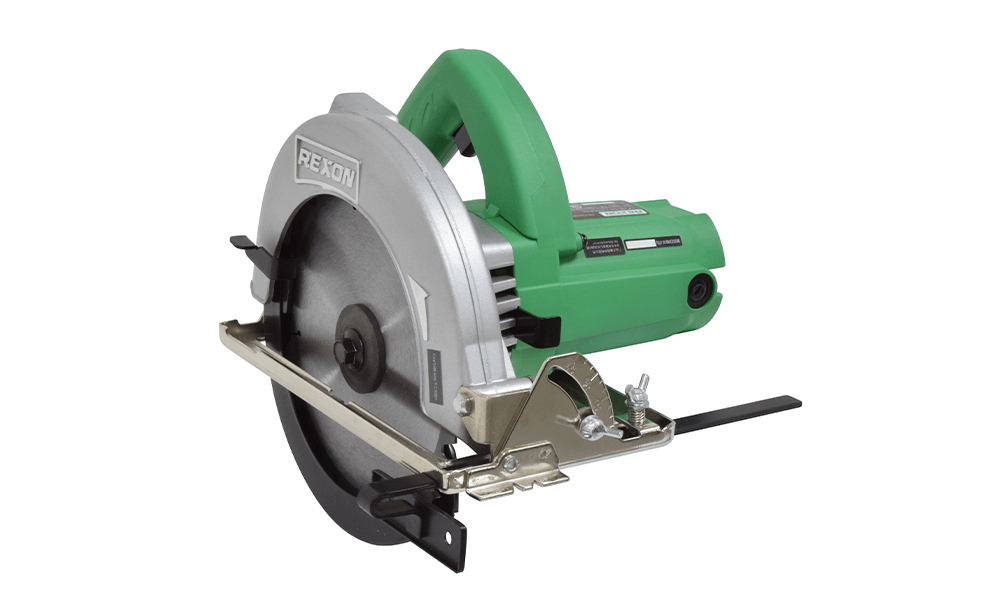
The Company’s current revenue is mainly derived from two major business segments: power tools and fitness equipment:
Power Tools
In 2025, the Company faced the challenge of additional “reciprocal tariffs” imposed by the United States on Taiwan, which increased export costs for hand tools and mechanical parts and compressed profit margins. Rexon actively applied for the government’s “R&D transformation subsidies” and “financial support measures,” and upgraded its products from traditional DIY tools to professional and high-performance models, offsetting tariff impacts through technological differentiation.

Fitness equipment
In response to fitness equipment being included in the list of products subject to additional U.S. tariffs, Rexon shifted its strategic focus toward increasing the level of production automation and obtaining international certifications (such as ISO and ESG certifications). Despite tariff pressure, the Company continued to enhance product gross margin and brand customer stickiness through operational efficiency and product value-added, thereby maintaining its core position in the supply chains of brand customers.
Operating revenue in 2025 was NT$5,419,291 thousand, representing a decrease of NT$679,995 thousand compared with NT$6,099,286 thousand in 2024. Consolidated net income after tax in 2025 was NT$173,956 thousand, and earnings per share after tax were approximately NT$0.97.
Unit: NTD thousandType
Item
2024
2025
Type
Generated Direct Economic Value
Item
2024
2025
Operating revenue
6,099,286
5,419,291
Non-operating RevenueNote 1
79,803
47,624
Type
Distributed Economic Value
Item
2024
2025
Operating Costs Note 2
4,351,753
4,092,802
Employee Salaries and Benefits
734,885
775,228
Payments to Capital Providers
181,474
108,884
Political Contributions
0
0
Payments to Government (including business tax, income tax, property tax, etc.)
0
0
Payments to Government (fines)
0
71
Community Investments
10,684
2,004
Type
Retained Economic Value
Item
2023
2024
Retain Economic Value
900,293
487,925
Note 1: Non-operating revenue includes interest income, dividend income, and rental income;
Note 2: Operating costs include material costs, rental expenses, commission expenses, labor costs, and education and training expenses.
Tax Policy
2025 Operating Activities Allocation Summary by Tax Jurisdiction:
Tax Jurisdiction(Country)
Non-related party income
Net earnings
Profit or loss before income tax
Income tax paid
Current income tax
Number of employees
Tax Jurisdiction(Country)
Taiwan
Non-related party income
5,414,771
Net earnings
84,674
Profit or loss before income tax
201,535
Income tax paid
0
Current income tax
39,334
Number of employees
738
Tax Jurisdiction(Country)
China
Non-related party income
416,520
Net earnings
-99,077
Profit or loss before income tax
-87,020
Income tax paid
0
Current income tax
0
Number of employees
200
Tax Jurisdiction(Country)
U.S.A
Non-related party income
5,371
Net earnings
-1,607
Profit or loss before income tax
-1,607
Income tax paid
0
Current income tax
0
Number of employees
6
Customer relationship management
Material Topics
Customer relationship management
Description of positive benefits:
Actual positive:
- Increase the added value of products through innovation and sustainable product development, and help customers maintain their competitive advantages in the market
- Implement and utilize a customer relationship management (CRM) system to build stronger customer relationships, ensure effective understanding and fulfillment of customer needs, improve service quality, and enhance customer satisfaction
- Established a comprehensive mechanism for protecting customer business confidentiality, properly managing customer contracts, product drawings, and information related to exclusive production lines (or dedicated areas), reduced the risk of information leakage, strengthened customer trust in the company, and helped deepen long-term cooperative relationships
Description of negative benefits:
Potential negative:
- Failure to keep up with the trend or to increase the added value of products may cause the Company to be easily eliminated by the market, resulting in a decline in orders
- If the customer relationship management (CRM) system is not implemented and utilized, it could lead to errors or loss of customer information. This would not only hinder relationship maintenance and service quality but also make it difficult to effectively track interaction records, potentially resulting in lost business and cooperation opportunities
- Establish a comprehensive mechanism for protecting customers’ trade secrets, and properly manage customer contracts, product drawings, and information on dedicated production lines (designated areas), thereby reducing the risk of information leakage, strengthening customers’ trust in the Company, and helping deepen long-term cooperative relationships
Management mechanisms / measures
- Introduce the VAVE (Value Analysis/Value Engineering) strategy to actively propose product optimization solutions to customers to enhance market competitiveness
- In response to global inflation, the Board of Directors resolved to invest in Southeast Asia and built a new plant in Thailand and Vietnam to increase production flexibility and meet diverse market needs
- Strengthen the application of the CRM system and provide employee training to systematically manage customer data, ensuring information integrity while improving business efficiency and cooperation opportunities.
- Establish a system for protecting customers’ trade secrets, and implement tiered access controls, document access records, and internal confidentiality rules for customer contracts, product drawings, and dedicated production lines (designated areas). Regular employee education and training is also conducted to ensure that customer information is used only by authorized personnel.
Complaint / communication channels
For any questions regarding products, customers may contact the Company through its official website or through the contact information of each customer’s sales representative. All communication content and related documents are properly kept confidential in accordance with the Company’s internal rules to protect customers’ trade secrets and rights and interests.
Service Email : sales@rexon.com.tw
Contact : Customer Service Department
2025 Action Plan Implementation Results
Action Plan
- Introduce the customer relationship management (CRM) system to centrally manage customer information, systematically track historical records, ensure consistency of external communication, and enhance internal team efficiency as well as customer satisfaction.
- Deployment in Southeast Asia enables flexible production base options based on customers’ product categories and market positioning, thereby enhancing the resilience and competitiveness of the supply chain.
Implementation results
- Average customer satisfaction is above 82 points, reflecting stable service quality and efficient supply chain management.
- On-time product delivery and the stable quality have increased customer satisfaction, which in turn attracts new customers and encourages existing customers to expand their cooperation. The price inquiry ratio increased by 4% in Q4 2024 (covering both new and old customers), indicating market’s strong confidence in Rexon’s product and a growth in demand.
Achievement status of 2025 goals
Goals
Average customer satisfaction scored above 82 points
Achievement status
Goals achieved :
Average customer satisfaction was scored 82.65 points:
- Power tool: 82.3 points;
- Fitness device: 83 points.
Short / Medium / Long-term Goals
Short-term Goals(2026-2027)
2026: Improvement in average customer satisfaction rate by 1%
2027: Improvement in average customer satisfaction rate by 1.5%
Medium-term and Long-term Goals(2028~2032)
Average customer satisfaction rate improved by 2% or more
Sustainable action: Introduction of the customer management system (CRM)

CRM
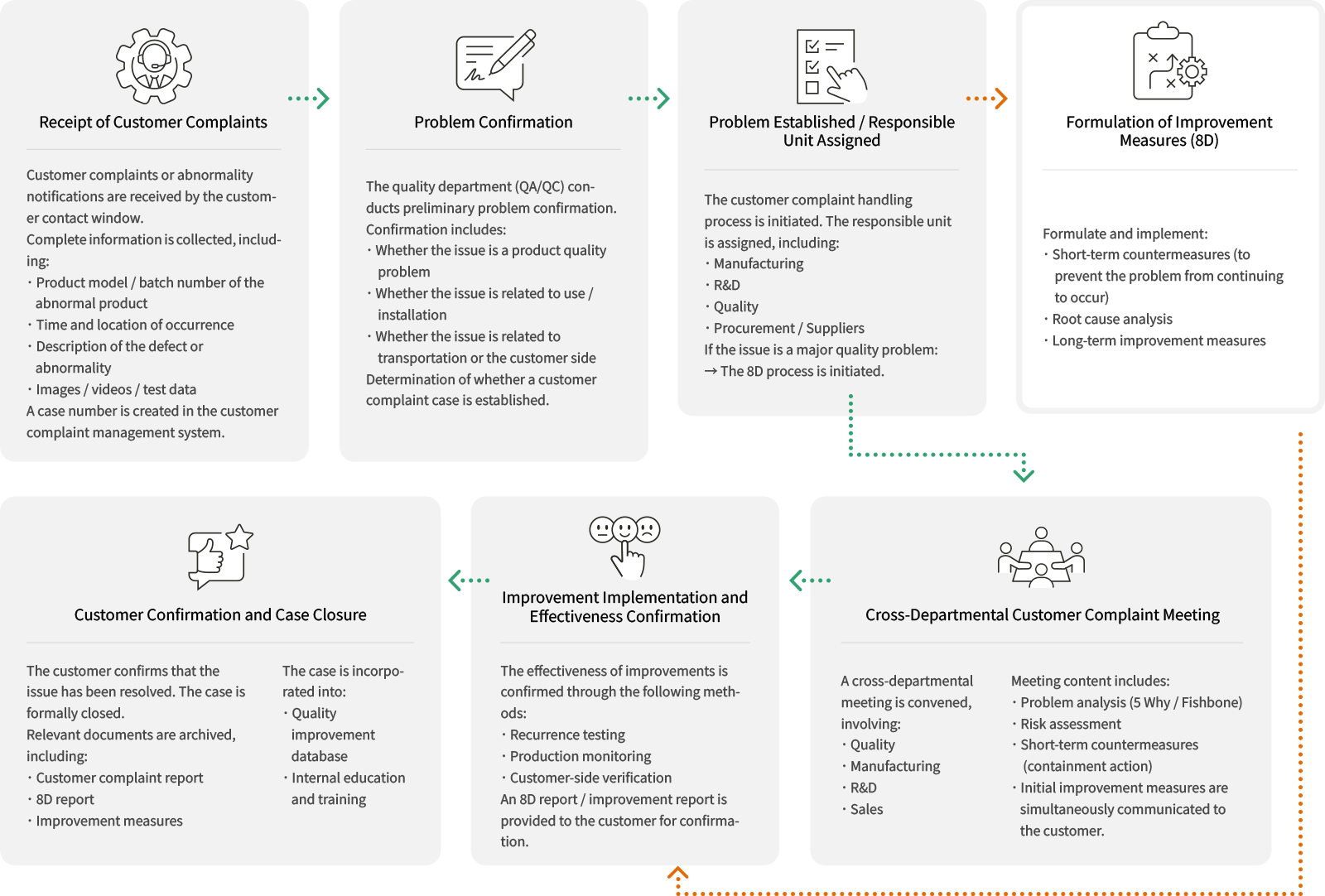
In 2024, the Company officially introduced a customer relationship management system (CRM) to integrate records of customer interactions, service history, and feedback information. Through digitalized and systematic management, the Company is able to track customer satisfaction trends in real time and strengthen cross-departmental communication and the efficiency of issue response. Through the CRM platform, the sales and service teams are able to understand customers’ key needs and provide a consistent and precise service experience. For customer feedback and grievance cases, Rexon has established standardized handling procedures that clearly define response timelines and the allocation of responsibilities, ensuring that issues are responded to promptly and that the effectiveness of improvements is continuously tracked. Relevant improvement measures are also regularly communicated back to customers to enhance their trust and cooperation stickiness. Going forward, Rexon will continue to refine its customer satisfaction management mechanism by integrating digital tools and internal education and training, deepen a customer-centric corporate culture, and respond to the expectations of the market and stakeholders with high-quality products and services, with a commitment to becoming customers’ most trusted long-term partner.

Customer Satisfaction
Rexon Industrial regards customer satisfaction as one of the key indicators for measuring operating performance and sustainable operations. Through institutionalized management and continuous improvement mechanisms, Rexon ensures that the quality of its products and services meets customer expectations and establishes long-term and stable cooperative relationships. To effectively understand customer needs and feedback, Rexon collects customer evaluations of product quality, delivery performance, after-sales service, and overall cooperation experience through regular customer communication, project feedback mechanisms, and customer complaint management procedures. Relevant feedback is compiled and analyzed by the dedicated unit and serves as an important basis for optimizing internal processes and improving service quality

Customer Privacy
To ensure the proper protection of customer information privacy and trade secrets, Rexon Industrial has established a comprehensive customer trade secret protection system. For key information such as customer contracts, product drawings, and dedicated production lines (designated areas), tiered access controls, document access record management, and internal confidentiality rules are implemented based on the sensitivity of the information. In terms of specific management measures, written customer contracts are kept and managed by managers at or above the managerial level based on their respective authority and responsibilities. Product drawings are centrally controlled and managed by version through the product data management system (PDM), ensuring that access to and changes in drawings are traceable. In addition, for customer-dedicated production lines (designated areas), the Company has established clear access control mechanisms to prevent unauthorized personnel from accessing relevant processes and information. The above measures are supplemented by regular employee education and training to strengthen all employees’ awareness of information security and confidentiality responsibilities, ensure that customer information is used only by authorized personnel, and reduce the risk of unauthorized access. At the same time, in accordance with the annual audit implementation plan developed by the internal audit unit, the Company conducts regular risk assessments of potential information security and customer privacy risks, and formulates and implements relevant internal control systems accordingly, so as to continuously strengthen the effectiveness of information security management. Based on the effective operation of the above management mechanisms, as of 2025, there had been no complaints involving breaches of customer privacy or loss of customer data, fully demonstrating Rexon Industrial’s strong emphasis on, and long-term commitment to, customer information security and privacy protection.

Handling of Customer Complaints
MANAGEMENT
Risk management _
Management System
To ensure that decision-making is based not only on experience, but also on foreseeable and controllable foundations, in 2024 the Company formulated its “Risk Management Best Practice Principles” with reference to the Regulations Governing Establishment of Internal Control Systems by Public Companies and the Risk Management Best Practice Principles for TWSE/TPEx Listed Companies, with the aim of pursuing innovation while maintaining prudence and preserving long-term value amid changes. The principles were officially implemented in 2025.
The Board of Directors is the Company’s highest risk management body. The unit responsible for risk management is the Risk Management Team, which is convened by the President, with the highest-ranking officers of each functional organization serving as team members. The highest-ranking officers of each functional organization serve as risk management implementation personnel and are responsible for general risk management, including monitoring risk indicators in daily management.

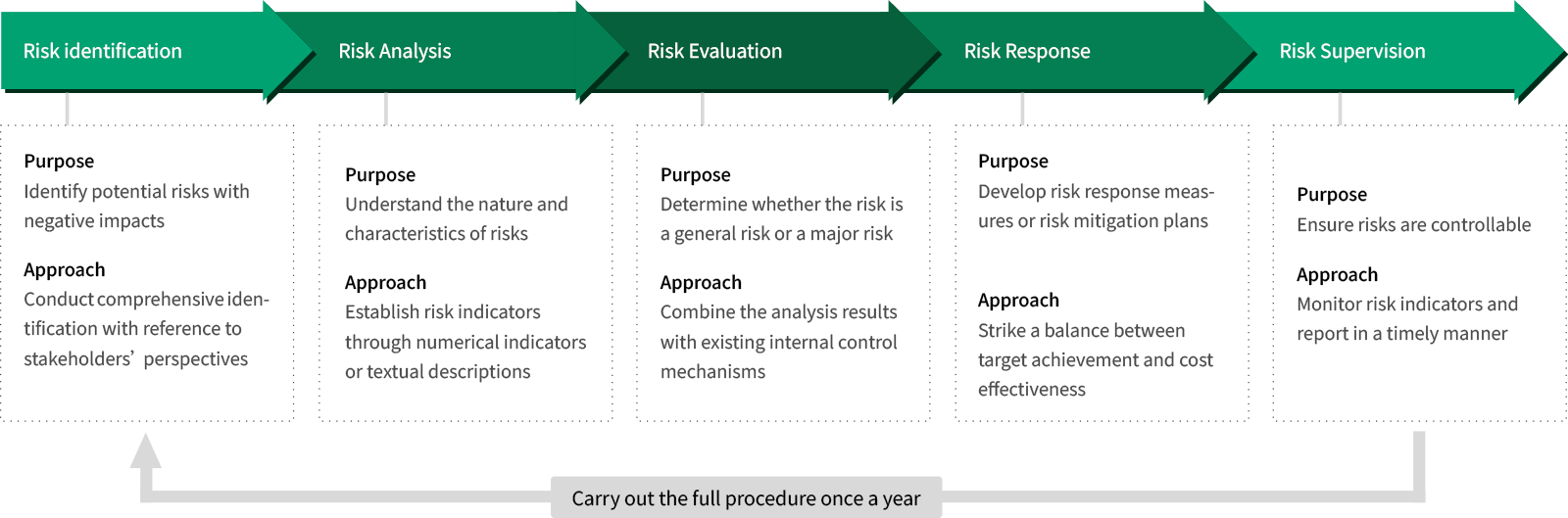
The Company conducts a complete risk management process once each year, consisting of five stages: risk identification, risk analysis, risk assessment, risk response, and risk monitoring and review, as detailed in the figure below.
Implementation Results
The risk management process for the year was launched in August. Opinions were collected from the highest-ranking officers of each functional organization through questionnaires. The results were compiled in September, and the top 12 risks were selected. Following further discussion, these risks were consolidated into five major risks, which were finalized by resolution at the Vice Presidents’ meeting on December 19 and subsequently submitted to the Chairman for confirmation and approval of the implementation results for the year, as detailed in the table below.
Risk Event
Description
Potential Operational Impact(Example)
Countermeasures
Risk Event
Geopolitical Risk
Description
The sales volume or costs of major product markets may be affected by political intervention.
Potential Operational Impact (Example)
U.S. reciprocal tariffs and the U.S.-China trade war.
Countermeasures
ll units work together, with management conducted through weekly Vice Presidents’ meetings and monthly business review meetings. Response measures are developed for abnormal fluctuations.
Risk Event
Exchange Rate Fluctuations
Description
Exchange gains or losses may arise due to differences between the currencies of receipts and payments.
Potential Operational Impact (Example)
Significant appreciation of the NTD against the U.S. dollar in May 2025.
Countermeasures
Led by the General Administration Division. When abnormal fluctuations occur, response measures are proposed and submitted to the Chairman and President.
Risk Event
Product Risk
Description
- Products fail to meet customers’ quality standards.
- Production yield is too low.
Potential Operational Impact (Example)
- Customer complaints may damage business reputation.
- Costs may increase or shipments may be delayed.
Countermeasures
Led by the Technology Division. Reviews are conducted at weekly quality meetings, and reports are submitted at monthly Vice Presidents’ meetings.
Risk Event
Market risk
Description
- Sales are highly concentrated in a single customer.
- The customer’s management team undergoes significant changes.
- Substitute products emerge or consumer trends change.
Potential Operational Impact (Example)
The Company’s sales performance may fluctuate significantly.
Countermeasures
Led by the Sales Division. Management is conducted through weekly Vice Presents’ meetings and monthly business review meetings, and response measures are developed for abnormal fluctuations.
Risk Event
R&D and Technology Risk
Description
- Lack of new technologies or materials makes it difficult to improve the precision of existing processes or reduce costs.
- Slow product innovation reduces customers’ willingness to cooperate.
- Development time exceeds expectations.
Potential Operational Impact (Example)
The Company may be unable to gain a leading position in market competition, and customers may choose other partners.
Countermeasures
Led by the Technology Division. Management and proposals are conducted through weekly Vice Presidents’ meetings and monthly Green Innovation Committee meetings.
AND ETHICS
Information Security (Material Topic) _
The legal and regulatory basis of the information security policy is primarily derived from the ISO/IEC 27001 international standard, which serves as the core framework for technology and management, ensuring the systematic management of information security risks and maintaining the confidentiality, integrity, and availability of information assets.
Material Topics
Information Security
Description of positive benefits:
Actual benefits: Passing the ISO 27001 audit each year strengthens information security protection, ensures operational continuity, protects customer data and trade secrets, and enhances the Company’s reputation and market competitiveness.
Potential benefits: Compliance with regulatory requirements (such as the Personal Data Protection Act and the Cyber Security Management Act) reduces the risk of legal or regulatory penalties and attracts customers and investors who value information security governance.
Description of negative benefits:
Potential impacts: As the Company implements ISO 27001 management procedures and has established sound systems and hardware architecture, no actual negative impacts occurred in 2025. However, insufficient information security awareness among personnel or technological gaps may increase potential risks to corporate operating costs and management.
Management mechanisms / measures
- Information Security Management System (ISMS): Establish, implement, maintain, and continuously improve the ISMS in accordance with ISO 27001 standards.
- Policies and regulations: Establish and announce the “Information Security Policy” and related management rules to ensure confidentiality, integrity, and availability.
- Risk management: Regularly conduct information security risk assessments, information security health checks, and vulnerability scans, and introduce multi-layered technical protection measures (such as WAF, NDR, and EDR)
- Incident response: Establish and regularly conduct drills for information security incident response plans (BCP/DRP) to ensure rapid and effective response when incidents occur.
- Education and training: Regularly conduct information security and personal data protection education and training for all employees to enhance information security awareness.
Complaint / communication channels
The Company provides anonymous, confidential, and traceable grievance and feedback channels to ensure that suggestions or incidents related to information security concerns can be responded to and handled in a timely manner.
Internal complaint:https://www.tovery.net/guestbook.asp?user=rexon_hr&page=1 (Rexon Whisper Message Zone)
External complaint:invest@rexon.com.tw
2025 Action Plan Implementation Results
Action Plan
Continue to conduct ISO 27001 surveillance review operations and make improvements based on audit results.
Implementation results
Successfully passed the ISO 27001 surveillance review
Achievement status of 2025 goals
Goals
0 information security incidents (no information security incidents with material operational impact).
Achievement status
Achieved. No material information security incidents occurred during the year.
Short / Medium / Long-term Goals
Short-term Goals(2026-2027)
2026: Pass the ISO 27001 surveillance review
2027: Extend the certification scope from the information department to the development department to strengthen information protection in R&D processes
Medium-term and Long-term Goals(2028~2032)
2028 to 2029: Continue to promote ISO 27001 information security governance and deepen information security resilience.
2030 to 2032: Promote the enhancement of information security governance levels, bring information security investment to international benchmark levels, and meet the expectations of customers and suppliers.
Organizational Structure
The Information Security Committee is convened by the highest-ranking information officer, with department heads serving as members. The committee is responsible for reviewing matters related to information security management and convening cross-departmental resource coordination meetings as needed. It is also responsible for coordinating the allocation of resources required for the implementation of the information security management system.

Information SecurityCommittee
Information SecurityAudit Team
Executive Secretary
Information SecurityImplementation Task Force
EmergencyResponse Team
Information Security

Education and Training
Conduct information security education and training to promote employees’ awareness of information security and strengthen their understanding of related responsibilities.

Information Protection
Protect information relating to the Company’s business activities from unauthorized access and modification to ensure its accuracy and completeness, and ensure that the Company’s key core systems maintain a certain level of system availability.

Regular Audits
Conduct audits each year and improve identified deficiencies to ensure information security.
Results and Cases
Education and Training
Course Title
Number of Participants
Number of Qualified Participants
Completion Rate
Course Title
Information Security Awareness on Phishing and Online Fraud Prevention
Number of Participants
93
Number of Qualified Participants
89
Completion Rate
95%
Course Title
Trojan Attacks
Number of Participants
98
Number of Qualified Participants
98
Completion Rate
100%
Course Title
Account Theft, Personal Data Leakage, and Disinformation Attacks! What Should You Do in the Face of Information Warfare?
Number of Participants
94
Number of Qualified Participants
90
Completion Rate
95%
Course Title
Do Your Part Be Cyber Smart
Number of Participants
78
Number of Qualified Participants
76
Completion Rate
97%
Course Title
The Temptation of Apps
Number of Participants
53
Number of Qualified Participants
52
Completion Rate
98%
Course Title
Why Software Updates Are Important
Number of Participants
80
Number of Qualified Participants
78
Completion Rate
97%
Course Title
Use AI Tools with Caution Information Security Risks of AI Tools
Number of Participants
106
Number of Qualified Participants
105
Completion Rate
99%
Course Title
Information Security Crisis in the AI Era What Are the Risks of Generative AI?
Number of Participants
47
Number of Qualified Participants
43
Completion Rate
91%
Information Protection

Work Items
- According to the “Network and System Security Management Manual,” both internal and external personnel are required to complete relevant applications before they may access the Company’s systems. In 2025, maintenance contracts were signed for all key core systems to ensure system availability.
- In July 2025, backup and restoration drills were conducted for two key core systems.
- In August 2025, a social engineering drill was conducted to test employees’ sensitivity to phishing emails, identify which types of emails were more likely to be triggered, and require employees who triggered the test to receive education and training. (How to connect with the figure below)


Regular Audits

System Recovery Drills
This year, one restoration drill for the ERP and PLM systems was completed to ensure business continuity.

Issue Remediation & Tracking
According to the “Information Security Target Effectiveness Measurement Form,” there were zero incidents of unexpected interruption exceeding 8 hours in a single occurrence.

Business Continuity Metrics
Each year, deficiencies are improved based on corrective action forms, and the effectiveness of improvements is tracked regularly to reduce the Company’s information security risks.

Major Cybersecurity Incidents
No material information security incidents occurred this year.
AND ETHICS
Integrity and Ethics (Material Topic) _

Material Topics
Ethical corporate management
Description of positive benefits:
The Company upholds “integrity” as a core value of corporate management and has established comprehensive Ethical Corporate Management Best Practice Principles and an internal audit system to ensure that all business activities comply with laws, regulations, and ethical standards. During the reporting period, the Company maintained sound corporate governance performance, with no material corruption, misconduct, or legal proceedings, fines, or sanctions arising from violations of ethical principles, demonstrating the Company’s determination to continuously implement ethical corporate management and transparent management. Through institutionalized risk control mechanisms and employee education and training, the Company not only strengthens internal controls, but also continues to enhance the trust and reputation of external stakeholders in the enterprise, laying a solid foundation for sustainable operations.
Description of negative benefits:
Once an integrity-related incident occurs, regardless of its severity, it may seriously damage the Company’s corporate image as an international professional manufacturer and undermine customer trust. Any corruption or fraudulent conduct would result in misallocation of resources and improper transfer of benefits, weaken the fairness of decision-making and operational efficiency, and in turn affect the Company’s competitiveness and innovation momentum. Therefore, the Company continues to strengthen internal control audits, education and training, and the development of an integrity culture to prevent any potential misconduct and ensure that corporate governance continues to advance toward transparency, integrity, and accountability.
Management mechanisms / measures
Management mechanisms/measures The Company upholds the business philosophy of integrity, openness, transparency, and responsibility. It has formulated ethical corporate management policies and implements its ethical conduct and ethical corporate management systems based on the principles of “fairness, honesty, trustworthiness, and transparency,” actively preventing any unethical conduct. The Company’s “Ethical Corporate Management Best Practice Principles,” “Code of Ethical Conduct,” and “Reporting and Grievance Procedures” have all been reviewed and approved by the Board of Directors, and are regularly reviewed and amended to ensure that the policy direction keeps pace with current developments, demonstrating the commitment of the highest governance level to ethical corporate management.
Complaint / communication channels
The Company has established diversified internal and external communication and grievance mechanisms to protect the anonymity and immunity rights and interests of whistleblowers. Cases are accepted and follow-up handling results are tracked by an independent unit to ensure that all cases are handled based on the principles of fairness, impartiality, and confidentiality.
- Professional Ethics and Integrity
Grievance channel email:audit@rexon.com.tw
Written correspondence: No. 261, Renhua Rd., Dali Dist., Taichung City
Responsible Department: Chief Audit Office - Corruption and Bribery
Phone: 04-24914141#6211
Email:GSCM@rexon.com.tw
Responsible Department: Procurement Department - Reporting and Grievances
Grievance channel email:audit@rexon.com.tw
Written correspondence: No. 261, Renhua Rd., Dali Dist., Taichung City
Responsible Department: Chief Audit Office
2025 Action Plan Implementation Results
Action Plan
- All new employees are required to receive pre-employment training on integrity and ethics on the day of onboarding.
- At least one integrity and anti-corruption awareness course is held each year (including online learning).
- The implementation results and promotion status of ethical corporate management for the year are reported to the Board of Directors on a regular basis each year.
Implementation results
- In 2025, all new employees completed pre-employment integrity and ethics training on the day of onboarding, totaling 91 participants.
- Ethical corporate management education and training was held, with a total of 496 participants.
- The implementation results of ethical corporate management were reported to the Board of Directors on November 3, 2025.
Achievement status of 2025 goals
Goals
- All new employees complete pre-employment training on integrity and ethics on the day of onboarding.
- At least one integrity and anti-corruption awareness course is held (including online learning).
- The implementation results and promotion status of ethical corporate management are reported to the Board of Directors on a regular basis each year.
Achievement status
- Completed. All 91 participants completed the training.
- Completed. A total of 496 participants attended.
- Completed. The report was submitted to the Board of Directors on November 3, 2025.
Short / Medium / Long-term Goals
Short-term Goals(2026-2027)
- Achieve a 100% completion rate for ethical corporate management courses for new employees.
- Achieve 70% coverage of employee integrity education and training.
- Maintain zero violations of ethical corporate management.
Medium-term and Long-term Goals(2028~2032)
- Achieve 100% coverage of employee integrity education and training.
- Continue to maintain zero violations of ethical corporate management.
- Strengthen the internalization of integrity culture and establish it as a core value of corporate governance.
Compliance with Laws and Regulations
During the reporting period, Rexon Industrial complied with relevant laws and regulations in all operating activities, and no material violations occurred (please refer to the notes below for the definition of material violations). However, certain violations occurred in 2025 (summarized in the table below). After the occurrence of each incident, the Company promptly conducted cause analysis and internal review in accordance with its existing legal compliance and risk management mechanisms, and implemented source management from the system and process perspectives. Based on these efforts, the Company formulated and implemented specific improvement plans and preventive measures to strengthen the effectiveness of legal compliance management and reduce the risk of similar incidents in the future. During the reporting period, total fines amounted to NT$71,132.
Competent authority imposing the penalty
Factory area
Competent authority imposing the penalty
Description of violation
Violated laws and regulations
Countermeasures
Amount of fines(NT$)
Factory area
Taiwan - Renhua Plant
Competent authority imposing the penalty
Energy Administration, Ministry of Economic Affairs
Description of violation
Late submission of corrected documents for the 2023 energy audit system declaration form.
Violated laws and regulations
Article 24, Subparagraph 1 and Article 21, Subparagraph 3 of the Energy Administration Act
Countermeasures
- Strengthen education and training for internal personnel on declaration procedures to improve timeliness and accuracy.
- Establish a review and reporting mechanism to ensure the complete implementation of the process.
Amount of fines(NT$)
50,000
Competent authority imposing the penalty
Land Administration Bureau, Taichung City Government
Description of violation
Public petition concerning illegal land use.
Violated laws and regulations
Article 15 of the Regional Plan Act
Countermeasures
- Implement source management mechanisms and conduct a comprehensive land use inventory at the same time to confirm compliance with current laws and regulations and reduce potential violation risks.
- For land parcels involving violations, initiate legal procedures for land use change in accordance with relevant laws and regulations to ensure that land use complies with regulatory requirements.
Amount of fines(NT$)
21,132
Whistleblowing System and Whistleblower Protection Mechanism
The Company’s “Ethical Corporate Management Best Practice Principles” expressly set forth the relevant mechanisms for reviewing and amending ethical corporate management policies and measures, as well as for providing recommendations on organizational integrity: “The Company shall at all times monitor the development of domestic and international regulations relating to ethical corporate management, and encourage directors, managerial officers, and employees to provide recommendations, based on which the Company shall review and improve its ethical corporate management policies and measures, so as to enhance the effectiveness of implementation of ethical corporate management.” The principles also expressly set forth the reporting mechanism under the “reporting system” for violations of employee ethical conduct, and the Company is committed to ensuring that whistleblowers will not be subject to any unfair treatment as a result of filing a report:
Whistleblowing System

Establish and announce
Establish and announce an internal independent reporting mailbox
audit@rexon.com.tw and mailing address: No. 261, Renhua Road, Dali District, Taichung City 412 (Audit Office), for use by both internal and external personnel of the Company.

Establish the categories and standard operating procedures
Designate dedicated personnel or a dedicated unit responsible for receiving reports. Where a reported matter involves a director or senior executive, it shall be reported to the independent directors. The Company shall also establish the categories of reportable matters and the standard operating procedures for investigation corresponding to each category.

Maintain records and preserve
Maintain records and preserve documents relating to the acceptance of reports, the investigation process, investigation results, and preparation of relevant documents.

Contents confidential
Keep the identity of whistleblowers and the content of reports confidential.

Protecting whistleblowers
Adopt measures to protect whistleblowers from any unfair treatment as a result of filing a report.

Reward measures
Establish whistleblower reward measures.
According to statistics, in 2025, Rexon Industrial did not receive any reported cases involving violations of ethical corporate management through the above reporting system.
Assessment of Operating Sites
The 2025 assessment covered operating sites including Rexon Industrial (main plant), Rexon Technology, and Tongxiang Rexon. Rexon Vietnam was still under construction in 2025 and was therefore not included in the assessment scope. Assessment is expected to be conducted after production commences. The 2025 assessment focused on anti-corruption, misconduct prevention, and strict discipline. Corruption incidents were supervised and audited through the internal control and internal audit systems, and internal control risk assessments were conducted to identify business activities with significant corruption risks. Based on the results, internal audit formulated the annual internal control audit plan. Internal control self-assessments and legal compliance self-assessments are also conducted each year to ensure that the design and implementation of the internal control system remain effective and to prevent unethical conduct.
Communication and Training
For senior managerial officers and middle- and entry-level supervisors, Rexon Industrial conducted approximately 84 hours of awareness activities related to corporate governance and ethical corporate management. Through videos and digital materials on the internal Rexon Academy education and training platform, the Company ensured that participants fully understood its commitment to ethical corporate management, related policies, prevention programs, and the consequences of unethical conduct. For general employees, awareness is promoted through bulletin boards to ensure that all employees jointly comply with the philosophy of ethical corporate management. The coverage rate of related regulatory awareness and training was 100%, covering a total of 656 employees.
Item
Number of Employees Familiar with the Company's
Anti-Corruption Policy and Procedures
Number of employees
Percentage
Method
Item
Senior Executives
Number of Employees Familiar with the Company's
Anti-Corruption Policy and Procedures
18
Number of employees
18
Percentage
100%
Method
Through the internal education and training platform of Rexon Academy
Item
Middle Managers
Number of Employees Familiar with the Company's
Anti-Corruption Policy and Procedures
30
Number of employees
30
Percentage
100%
Method
Through the internal education and training platform of Rexon Academy
Item
Front-line Supervisors
Number of Employees Familiar with the Company's
Anti-Corruption Policy and Procedures
59
Number of employees
59
Percentage
100%
Method
Through the internal education and training platform of Rexon Academy
Item
General Employees
Number of Employees Familiar with the Company's
Anti-Corruption Policy and Procedures
94
455
Number of employees
549
Percentage
100%
Method
Through the internal education and training platform of Rexon Academy
Notice Board Announcements and Promotion

Specific Results
- Corruption-related Risk Assessment
In 2025, corruption-related risk assessment was conducted only for the parent company, Rexon Industrial, with a completion rate of 33%. In 2025, no employees of Rexon Group were dismissed or subject to disciplinary action due to corruption, and no contracts with business partners were terminated or not renewed due to corruption-related violations. No incidents involving violations of ethical corporate management or ethical conduct occurred. - Internal Control Audit
The Company has fully computerized its operations and uses information systems to connect six major management functions, namely human resources, finance, sales, production, materials, and R&D. The Audit Office develops relevant audit plans based on the result of the risk assessment, including the target, scope, items, and frequency of the audit, and checks the compliance of the prevention plan accordingly. In 2025, audit items covered 56 items, including sales and collection, procurement and payment, production, payroll, financing, fixed assets, computer information, investments, and other management cycles, to assess operating effectiveness and efficiency, reliability of financial reporting, and legal compliance. The actual audit results identified 18 deficiencies, all of which were clerical omissions or incomplete information, with no material deficiencies. The deficiencies with respect to the internal control system and abnormalities identified during the audit have been documented and subjected to follow-up actions. All the deficiencies have been rectified with a completion rate of 100%.
Reporting and Grievance Filing through the Company’s Reporting Channels
Related Perspectives
Complaint Channels
Investigation Process
Related Perspectives
Professional Ethics and Integrity
Complaint Channels
Email: audit@rexon.com.tw
Address: No. 261, Renhua Rd., Dali Dist., Taichung City
Responsible Department: Audit Office
Investigation Process
- Complaint Receipt and Filing.
- Fact Investigation.
- Investigation Results and Disposition Recommendations.
- Finalization and Response to the Complainant.
Related Perspectives
Corruption and Bribery
Complaint Channels
Phone: 04-24914141#6211
Email: GSCM@rexon.com.tw
Responsible Department: Procurement Department
Investigation Process
- Each complaint case is handled by a designated person/project team.
- Cases are assigned to the relevant departments or discussed by the Appraisal Committee based on the nature of the case, and a response is required to be provided to the complainant within the specified time limit.
- If the situation is deemed significant, it will be submitted to the Chairman for review; if it involves senior executives, it will be reported to the Board of Directors for handling.
Related Perspectives
Product and Services
Complaint Channels
Phone: 04-24914141
Email: sales@rexon.com.tw
Responsible Department: Customer Service Department
Investigation Process
- Customer feedback is recorded in the Customer Feedback Handling System.
- Dedicated contacts in the Customer Service Department or Customer Business Representatives will contact customers within 24 hours and provide handling solutions.
Related Perspectives
Human Rights-related Issues
Complaint Channels
Phone: 04-24914141#6181
Anonymous QR Code Whisper Zone
Responsible Department: Human Resources Department
Investigation Process
- Complaint cases are handled by a designated person/project team.
- Cases are assigned to the relevant departments based on the nature of the case, and a response is required to be provided to the complainant within the specified time limit.
- If the situation is deemed significant, it will be submitted to the President and Chairman for review.



Corporate Sustainability Development Survey
To achieve more effective communication with stakeholders who care about our company,we sincerely invite you to take the time to complete this questionnaire.
Your participation will enable us to gain a better understanding of the issues that stakeholders are concerned about and enable us to respond actively.